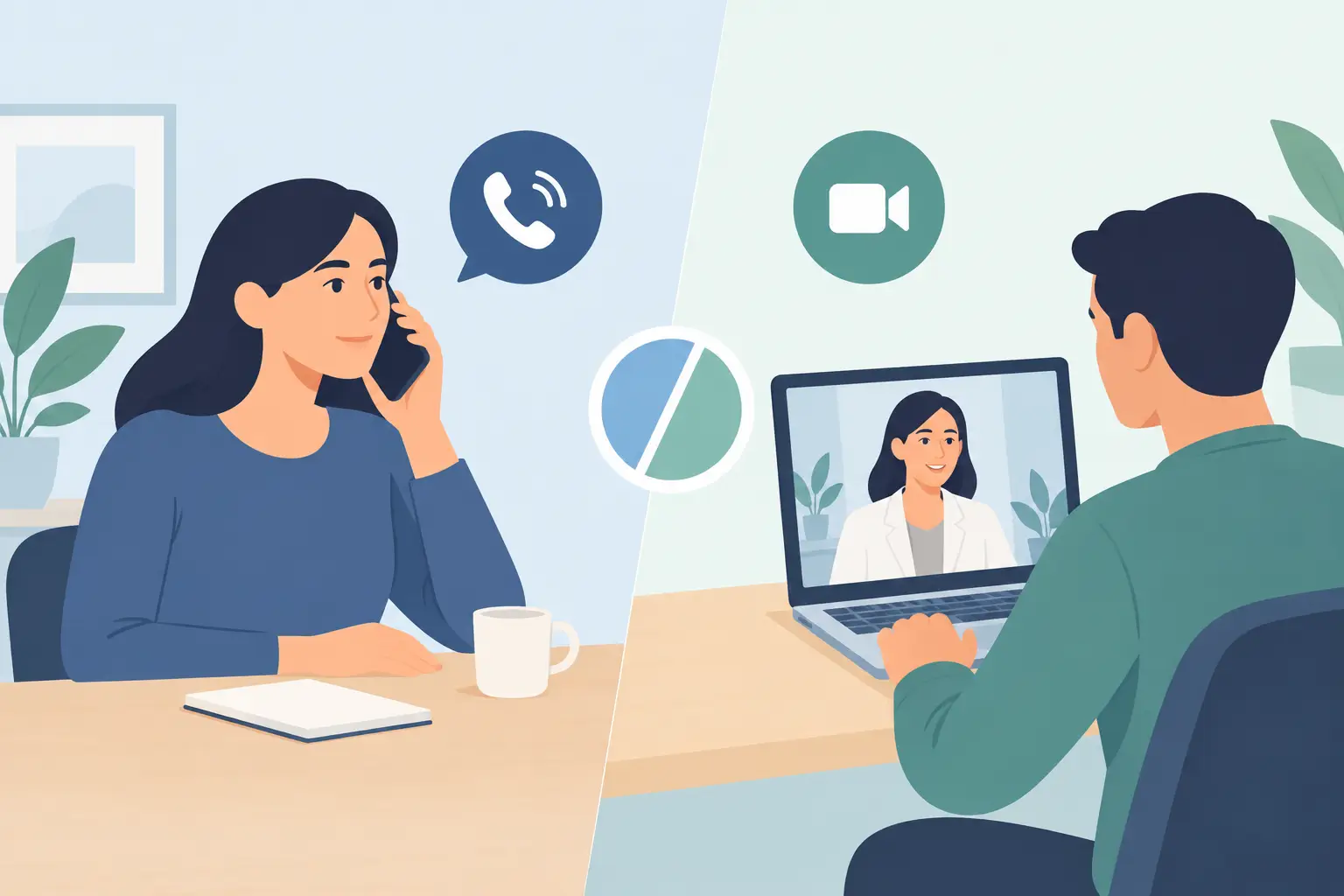
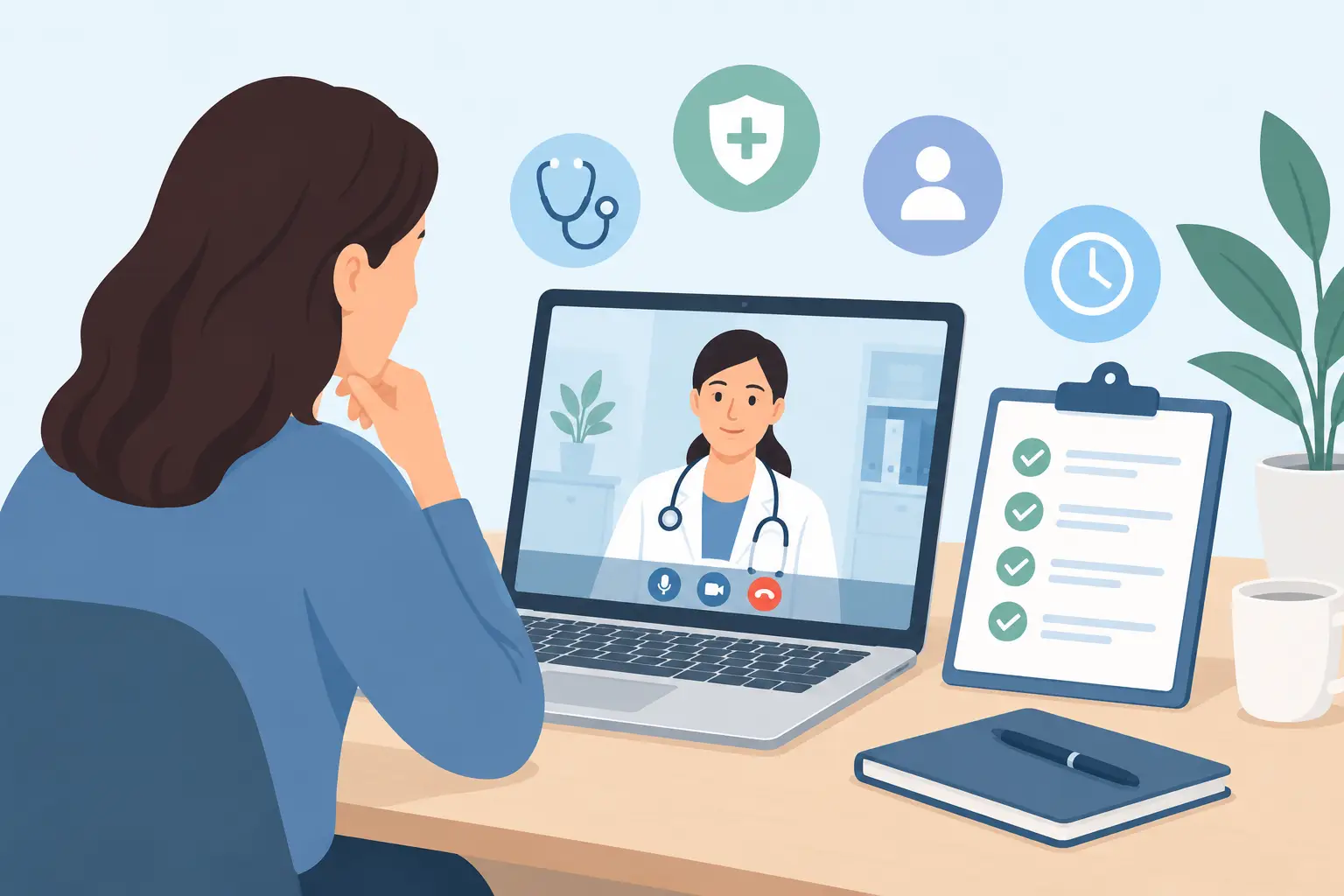
A telehealth appointment can save a trip across town, time in a waiting room and the challenge of fitting care around work or family. But if you are asking, “when should telehealth not be used?”, the most useful answer is simple: do not rely on a phone or video consultation when you may need emergency treatment, a hands-on examination or immediate testing.
Telehealth is designed for many everyday GP needs, including advice for common illnesses, repeat prescriptions, referrals, medical certificates and follow-up care. It gives an Australian-registered GP a convenient way to hear your symptoms, review your history and help decide what happens next. It is not a replacement for emergency services, a hospital emergency department or care that depends on physically examining you.
When should telehealth not be used for urgent symptoms?
Telehealth should not be your first option if symptoms could be life-threatening or need urgent treatment. Call Triple Zero (000) immediately if you or someone else has severe symptoms, or go to the nearest emergency department.
Urgent warning signs include:
- chest pain, pressure or tightness, particularly with shortness of breath, sweating, nausea or pain spreading to the arm, jaw or back
- signs of stroke, such as facial drooping, weakness or numbness on one side, slurred speech, sudden confusion or loss of balance
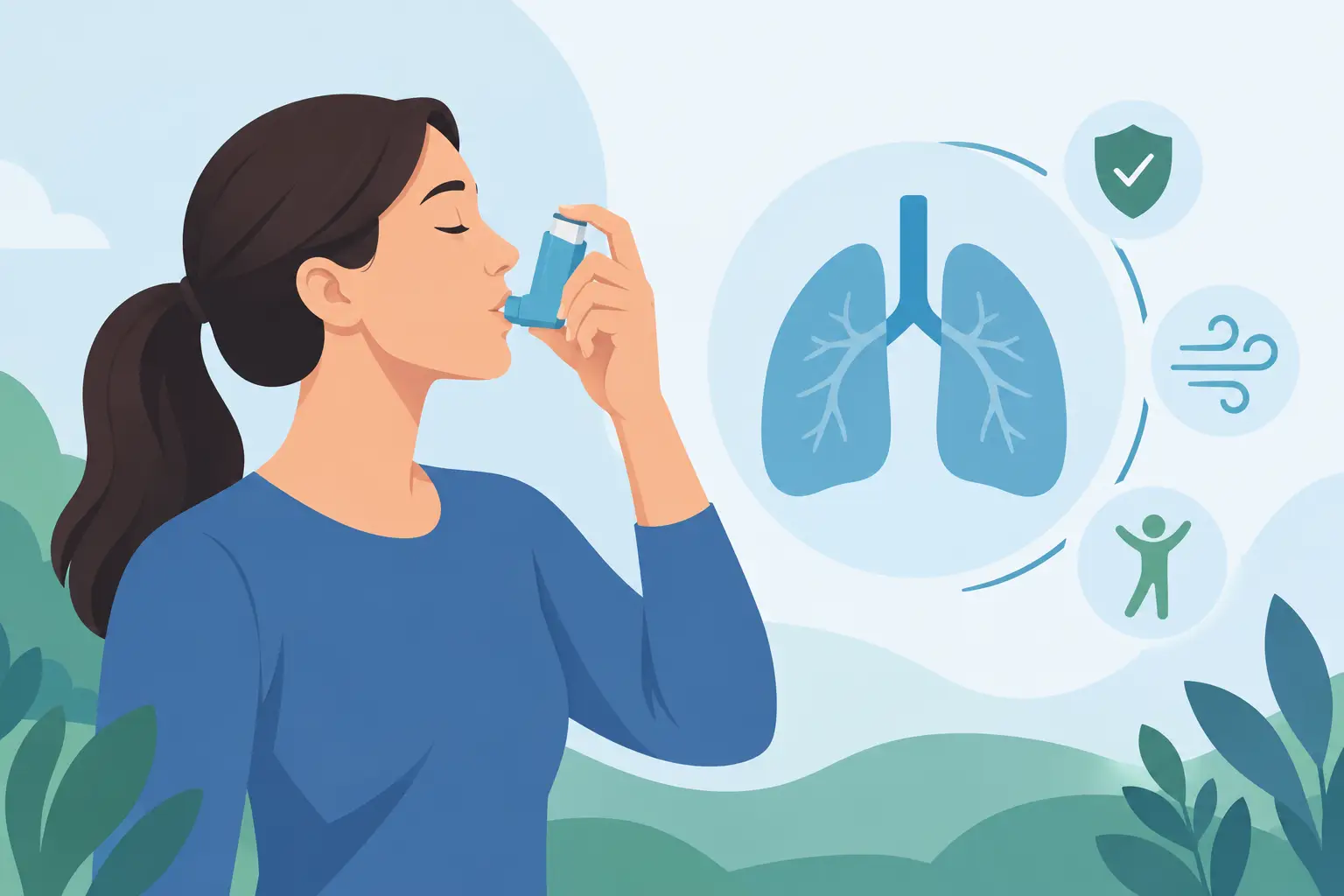
- severe difficulty breathing, blue lips, severe asthma symptoms or a child struggling to breathe
- heavy bleeding, vomiting blood, passing black stools or a serious injury with uncontrolled bleeding
- loss of consciousness, a seizure, sudden severe headache, new confusion or a significant head injury
- a severe allergic reaction, especially swelling of the lips, tongue or throat, widespread hives, wheezing or dizziness
These symptoms can worsen quickly. A video call may help a clinician understand what is happening, but it can also delay care when every minute matters. If you are unsure whether a symptom is an emergency, it is safer to seek urgent in-person help.
When an in-person examination is needed
A GP can learn a great deal from your description, photos and video. Still, some problems cannot be assessed confidently without checking vital signs, listening to your chest, feeling an area of pain or examining your ears, throat, skin or abdomen in person.
For example, a new severe abdominal pain may need an examination and possibly blood tests or imaging to rule out conditions such as appendicitis, gallbladder disease or an ectopic pregnancy. A painful, swollen leg may require an urgent assessment for a blood clot. A doctor cannot safely make every decision based only on what can be seen on a screen.
An in-person appointment is also often the better choice when symptoms are persistent, worsening or unclear despite initial treatment. If a cough has lasted weeks, a rash is spreading, recurrent infections keep returning or unexplained weight loss is occurring, a physical assessment can provide the fuller picture needed for safe care.
This does not mean telehealth has no role. A telehealth GP may be able to assess the urgency, explain what to watch for and direct you to the right local service. The key is recognising that a consultation may be the first step, rather than the final answer.
Injuries, wounds and possible fractures
Some minor injuries can be discussed by telehealth, particularly when you need general advice about rest, pain relief or whether a wound needs attention. However, do not use telehealth alone for a suspected fracture, dislocation, deep cut, badly burned area or injury that affects movement, sensation or circulation.
Seek in-person care promptly if a limb looks deformed, pain is severe, you cannot bear weight, fingers or toes become pale, cold or numb, or a wound may need stitches. You may need an X-ray, wound cleaning, a tetanus assessment, immobilisation or treatment that cannot be delivered remotely.
Eye injuries deserve particular caution. Sudden vision loss, chemical exposure, a penetrating eye injury, severe eye pain or a red eye with light sensitivity needs urgent in-person assessment. Do not wait for a routine video appointment.
Pregnancy, babies and other higher-risk situations
Telehealth can be practical for some pregnancy questions, repeat referrals and general advice. Yet new or concerning symptoms in pregnancy should be assessed in person, especially vaginal bleeding, severe abdominal pain, severe headache, visual changes, sudden swelling, reduced fetal movements or fluid leaking from the vagina. Contact your maternity care provider, hospital or emergency service based on the severity of symptoms.
For babies and young children, parents know when something is not right. A child who is very sleepy, difficult to wake, refusing feeds, dehydrated, breathing rapidly, has a high fever or develops a rash that does not fade when pressed needs urgent medical attention. Infants under three months with a fever should be assessed promptly in person.
Older adults, people with complex medical conditions and people taking multiple medicines may also need a lower threshold for an in-person review. Symptoms that appear mild can be more serious when there is heart disease, diabetes, immune suppression, kidney disease or a history of serious illness.
Mental health crises need immediate support
Telehealth can be a private and accessible place to discuss stress, anxiety, low mood, sleep concerns and mental health treatment options. For many people, speaking with a GP from home makes it easier to ask for support.
But a telehealth consultation is not the right sole response to an immediate mental health crisis. If you are at risk of harming yourself or someone else, have a plan to do so, feel unable to stay safe, are experiencing severe agitation, hallucinations or confusion, call 000 or attend the nearest emergency department. If possible, ask a trusted person to stay with you while help is arranged.
Practical limits of a phone or video consultation
Sometimes the barrier is not the medical issue but the consultation setting. A clear conversation matters. If you are driving, in a noisy public place, unable to speak freely or do not have reliable reception, it can be difficult for a GP to assess you safely and privately.
Video may be particularly useful where a doctor needs to see a rash, swelling, movement or a medicine label. Good lighting helps, but a camera cannot replace an examination. If the image is unclear or the concern cannot be adequately assessed remotely, the doctor may recommend an in-person appointment.
Privacy matters too. If you are worried about domestic or family violence, coercion or someone monitoring your conversation, seek help in the safest way available. A GP may be able to support you, but immediate danger requires emergency assistance.
What to do if telehealth is not the right fit
Choosing in-person care is not a failure of convenience. It is the right medical decision when it gives you faster access to the examination, tests or treatment you need.
For severe or life-threatening symptoms, call 000. For poisoning or suspected poisoning, contact the Poisons Information Centre on 13 11 26. For symptoms that are urgent but not immediately life-threatening, contact a local GP clinic, urgent care service or hospital emergency department, depending on the problem and how quickly it is worsening.
For routine concerns, telehealth remains a practical option. A service such as TeleDoc can connect you with an Australian-registered GP for everyday care, and the doctor can advise if your symptoms need a face-to-face follow-up instead.
Trust your judgement when something feels seriously wrong. The quickest path is not always the safest one, and prompt in-person care can make all the difference when symptoms need more than a screen can show.