Needing a blood test request at 7:30 pm on a Tuesday is usually when the usual clinic routine starts to feel inconvenient. If you need to get pathology form online, telehealth can be a practical way to speak with an Australian-registered GP, explain your symptoms or follow-up needs, and find out whether a pathology request is appropriate without sitting in a waiting room.
For many adults, the issue is not whether a test is needed. It is the time it takes to organise one. You might be following up low iron, checking cholesterol, investigating fatigue, reviewing thyroid symptoms, or managing an existing condition that needs monitoring. In those situations, an online GP appointment can save a lot of friction, especially if you already know you need medical advice before any testing is requested.
Can you get pathology form online in Australia?
Yes, in many cases you can get a pathology form online through a telehealth consultation, provided the GP decides the test is clinically appropriate. That detail matters. A pathology request is a medical document, not an admin form, so it is issued based on your health needs, symptoms, history, medications, and the doctor’s judgement.
That means online access is often straightforward for common, non-emergency situations. If you have ongoing tiredness, possible deficiency symptoms, medication monitoring needs, hormone concerns, repeat screening discussions, or a condition that requires routine follow-up, a telehealth GP may be able to assess you and provide a pathology request after the consult.
There are limits, and that is a good thing. Some concerns are better assessed in person first. If your symptoms suggest something urgent, complex, or physically concerning, the doctor may recommend a face-to-face examination, imaging, emergency care, or a different care pathway instead of issuing a pathology form online.
How the process usually works
The main reason people choose telehealth for pathology requests is speed. The process is designed to be simple, especially for routine healthcare needs.
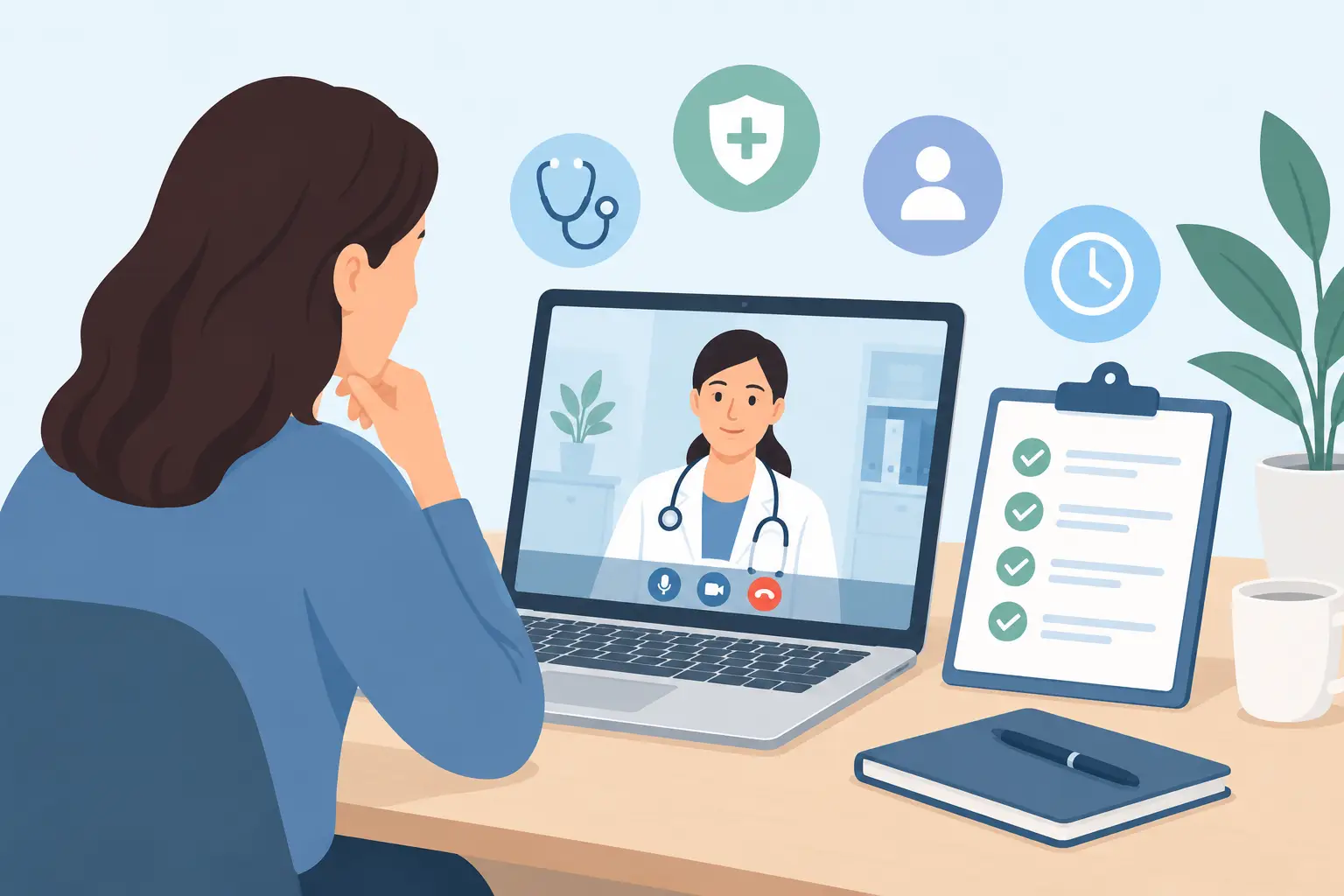
You book an appointment online, choose a suitable time, and connect by phone or video with a GP. During the consultation, the doctor will ask why you need the test, what symptoms you are having, when they started, whether you have relevant medical history, and if there are any recent results or medications involved.
If pathology is appropriate, the GP prepares the request and sends it digitally, usually by SMS or email, depending on the provider’s workflow. You then take that request to a participating pathology collection centre to have the test completed.
The appointment itself is often the quickest part. What matters more is giving the doctor clear, useful information so they can make a safe decision without delay.
When an online pathology request makes sense
There is no single category of patient who uses telehealth for this. It tends to suit people whose lives are already full and who do not want basic healthcare to take half a day.
A busy office worker might want blood tests arranged before work. A parent may not be able to sit in a clinic with children just to organise a referral for routine testing. A university student might need to investigate ongoing fatigue between classes. Someone in regional Australia may simply prefer not to travel for an issue that can be assessed remotely first.
In practical terms, telehealth often works well when your concern is common, stable, and clearly explainable. It is especially useful for follow-up testing, recurring issues, and straightforward screening conversations where the GP can safely assess your needs without an in-person physical examination.
What a GP may ask before issuing a form
If you are hoping to get pathology form online quickly, it helps to know what information doctors usually need. They are not trying to make the process harder. They are making sure the request is medically justified and targeted.
Expect questions about your symptoms, how long they have been present, whether anything has changed recently, and whether you have had similar problems before. The GP may ask about family history, current prescriptions, supplements, menstrual history, recent illness, weight changes, diet, sleep, and previous pathology results.
The clearer your answers, the smoother the consultation tends to be. If you already know the name of a past test or have a reason for follow-up, mention it early. If another doctor previously recommended monitoring, say that too. Good context helps the GP decide what is appropriate and avoids unnecessary back-and-forth.
What kinds of tests might be discussed
The exact request depends on the clinical picture, but common pathology discussions in telehealth include iron studies, full blood count, thyroid function, cholesterol checks, blood sugar monitoring, vitamin levels, kidney and liver function, hormone testing, urine tests, and STI screening.
That does not mean every patient can simply choose any test they want. A doctor may agree, narrow the request, suggest a different test, or decide pathology is not the right next step. Sometimes patients ask for broad testing when a more focused approach makes better medical sense. At other times, symptoms that sound simple at first need a more cautious work-up.
That is one of the real advantages of speaking with a GP instead of chasing tests on your own. You are not just receiving paperwork. You are getting clinical judgement about what is worth investigating and what can wait.
Why telehealth is often faster than a clinic visit
The appeal is not only the convenience of staying home. It is the reduced admin around getting care. There is no commute, no car park to find, no waiting room, and no need to rearrange your day around a short appointment for a routine request.
For many patients, that makes telehealth the better option for straightforward, non-emergency concerns. You can book online in minutes, take the consult from your home or workplace, and receive documents electronically if the GP determines they are appropriate.
That efficiency matters most when you need to keep moving. If the outcome of the appointment is a pathology request, a medical certificate, a repeat prescription, or a referral, a digital process can feel a lot more manageable than the old clinic model.
When online may not be the right option
Telehealth is useful, but it is not the answer to every medical problem. If you have chest pain, shortness of breath, severe abdominal pain, heavy bleeding, signs of stroke, or any rapidly worsening symptoms, urgent in-person care is the right step.
There are also non-emergency cases where an online doctor may decide not to issue a pathology request straight away. A rash may need to be seen closely. Abdominal symptoms may need examination. A breast lump, swollen joint, or neurological symptom may require physical assessment before any tests are ordered.
That does not mean the consult was wasted. It means the doctor is using proper clinical standards. Reliable telehealth should feel convenient, but never careless.
Choosing a service that keeps things simple
If you are using telehealth for the first time, the best experience is usually the one with the fewest unnecessary steps. Clear booking, same-day availability, Australian-registered GPs, secure handling of personal information, and fast delivery of documents all make a difference.
You should also know what happens if the doctor cannot help with your request. A trustworthy provider is clear about clinical limits and does not treat every appointment like a guaranteed form-issuing exercise. That balance matters. It protects patients and keeps the service credible.
TeleDoc is built around that kind of straightforward access. Patients can book online quickly, speak with an Australian-registered GP by phone or video, and receive appropriate healthcare documents digitally when clinically suitable.
How to prepare before your appointment
A little preparation can make your consult faster and more useful. Have a short explanation ready for why you need the test. Note your symptoms, when they began, any medications or supplements you take, and whether you have had related results before. If your concern is follow-up monitoring, be ready to say what is being monitored and why.
It also helps to check your mobile and email details before the appointment so there is no delay receiving documents after the consult. Small admin issues can slow down an otherwise quick process.
Most importantly, be honest about what is going on. If the issue has changed, worsened, or includes symptoms that seem unrelated, mention that. The more accurate the picture, the better the doctor can guide you.
Getting healthcare sorted should not feel harder than the health issue itself. If you need answers, follow-up, or the next step for routine testing, getting a pathology form online can be a sensible way to move things forward without putting your day on hold.