You wake up crook, your shift starts in two hours, and the last thing you want is a packed waiting room. That is usually when people start searching for a same day doctor certificate – not because they want shortcuts, but because they need a legitimate medical document without turning a simple sick day into an all-day task.
For many Australians, that need is straightforward. You might have a virus, a migraine, gastro, period pain, or a flare-up of something you already manage. You know you are not fit for work, study or usual duties, but you still need a GP to assess you properly. A same day option can make that process faster, more private and far easier to fit around real life.
What a same day doctor certificate actually means
A same day doctor certificate is a medical certificate issued by a doctor on the day you book and complete your consultation, provided the GP believes it is clinically appropriate. That timing matters. It means you can speak to a doctor, explain your symptoms, answer medical questions, and receive documentation promptly if the doctor is satisfied the certificate is justified.
The key point is that a certificate is not automatic. A legitimate medical certificate comes from a clinical assessment, even when that assessment happens by phone or video. The doctor still needs enough information to decide whether you are unfit for work, study or other commitments for the period requested.
That distinction is important because convenience should never come at the expense of proper care. Fast access is useful. Professional judgement is what makes the certificate valid.
When telehealth is a good fit for a same day doctor certificate
Telehealth works well when your issue can be assessed safely without a physical examination. Many short-term, low-risk conditions fall into that category. If you have symptoms that are clear, recent and consistent with a common illness, a telehealth GP may be able to help on the same day.
This often includes colds and flu-like symptoms, mild gastro, headaches, fatigue, minor viral illnesses, and some flare-ups of existing conditions. It can also suit situations where the main issue is temporary inability to attend work or class because of symptoms that are easy to describe and assess through history-taking.
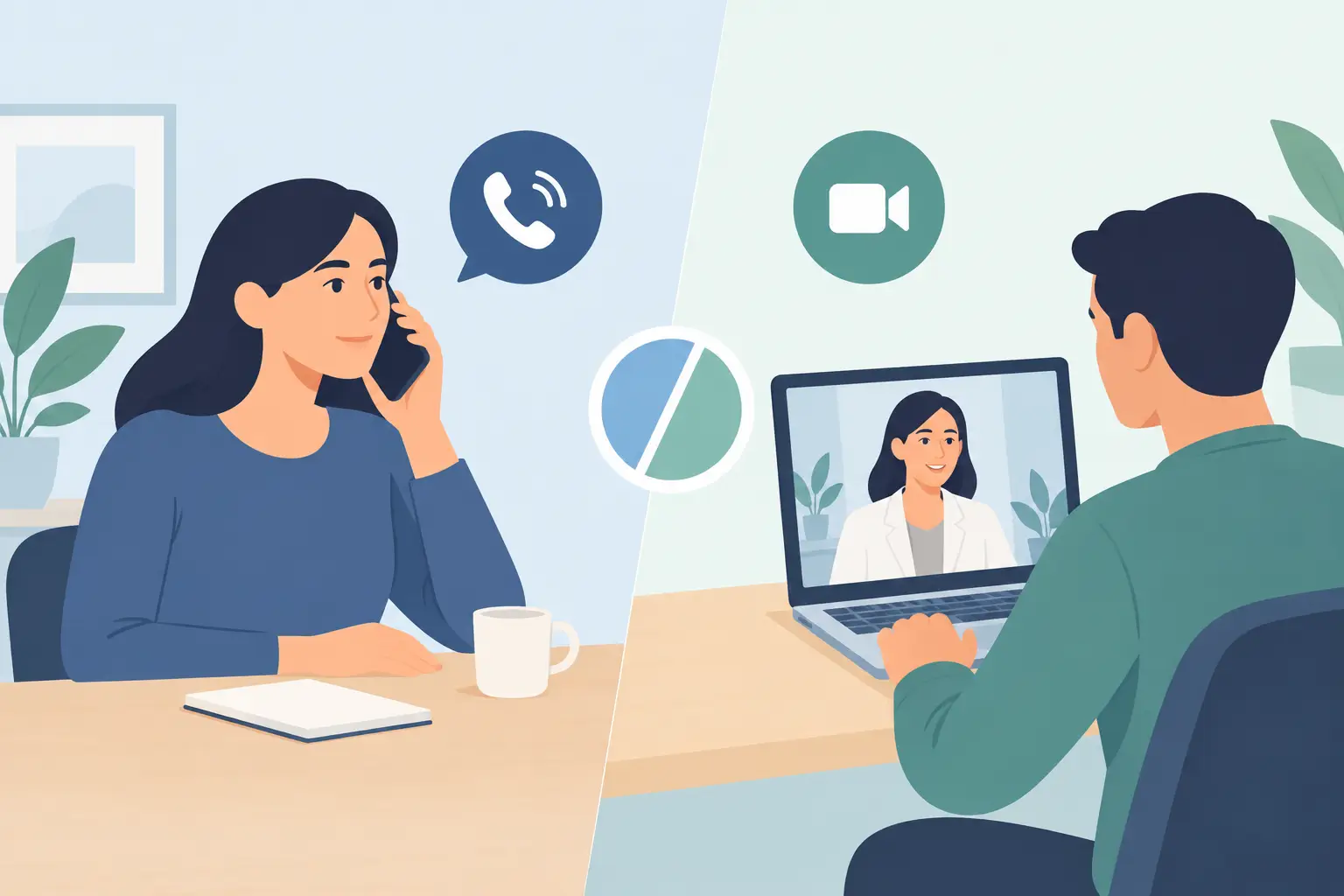
There is also a practical benefit that matters more than people admit. If you are unwell, travelling across town, sitting under fluorescent lights and waiting for an appointment can make the day worse. A phone or video consultation lets you stay home, rest and still speak with an Australian-registered GP.
When a doctor may say no
Speed does not mean certainty. A GP may decide not to issue a same day doctor certificate if the clinical picture is unclear, if your symptoms suggest something more serious, or if an in-person examination is needed.
For example, chest pain, breathing difficulty, severe dehydration, significant abdominal pain, neurological symptoms, or anything that could be urgent usually needs a higher level of assessment. The doctor may recommend a face-to-face review, urgent care or emergency treatment instead. That is not a barrier. It is the system working as it should.
There are also situations where a patient asks for dates that do not match the medical history or wants a certificate without a proper consultation. A responsible GP will not issue documentation just because it is requested. Medical certificates are legal and professional documents, so they must reflect the doctor’s actual assessment.
How the process usually works
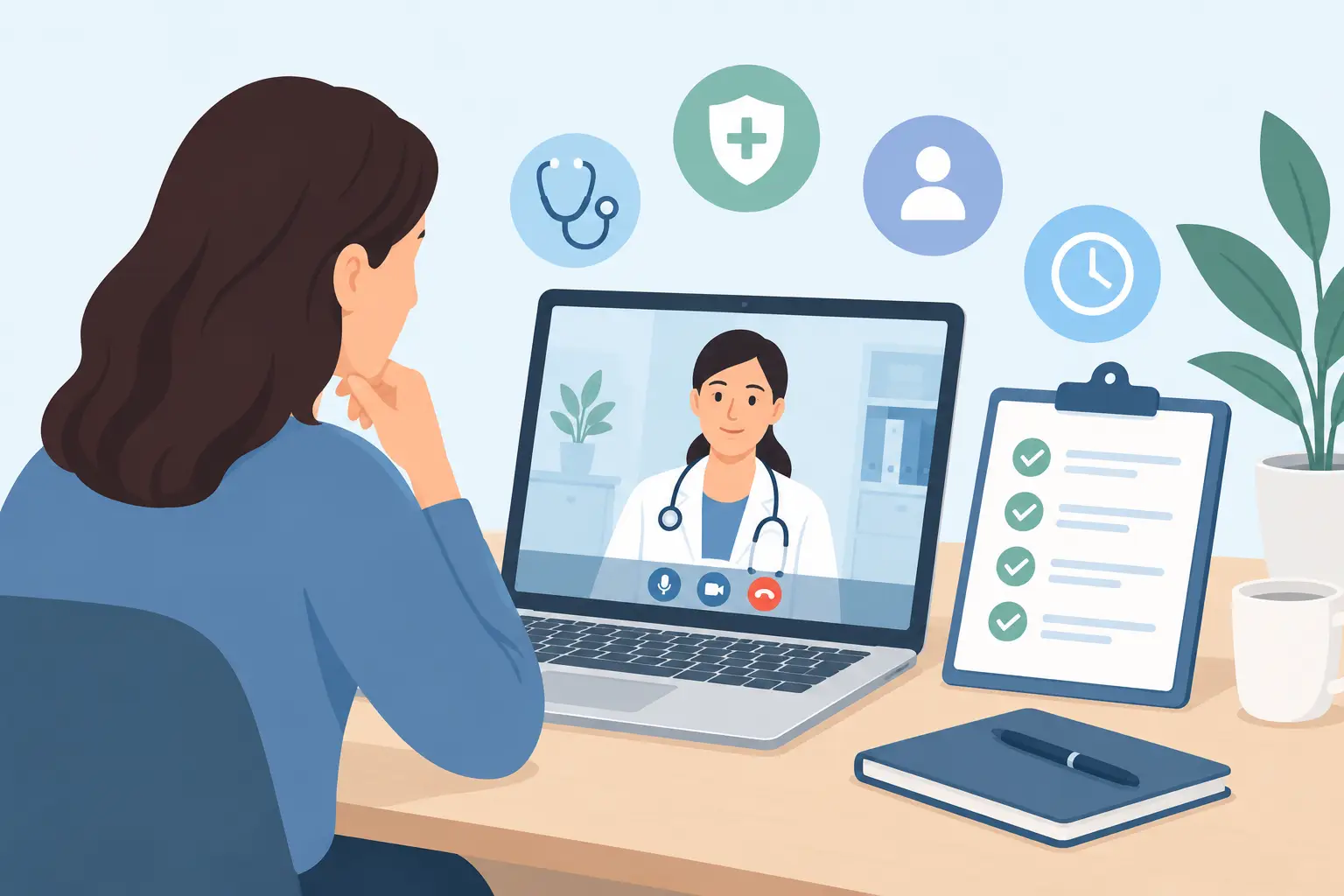
If you are looking for a same day doctor certificate through telehealth, the process is usually simple by design. You book online, choose an available consultation time, and speak with a GP by phone or video. No packed clinic, no commute, no extra admin if all you need is a prompt review.
During the consult, the doctor will ask about your symptoms, when they started, how severe they are, and whether you have any relevant medical history. They may ask about medications, fever, testing, your work environment, or whether your duties could worsen your condition. These questions are not box-ticking. They help the GP decide whether time away from work or study is medically reasonable.
If the certificate is appropriate, it is generally sent digitally after the consultation. That immediate delivery is one of the main reasons telehealth suits everyday documentation needs. You can forward it to your employer, education provider or relevant organisation without waiting for a printed copy.
What employers and universities usually need
Most workplaces and education providers do not need a long medical essay. They typically want confirmation that a registered doctor has assessed you and considers you unfit for usual duties for a certain period.
A standard medical certificate generally includes the date of consultation, the period covered, and the doctor’s details. It usually does not include private clinical information unless you specifically request that or there is a clear reason to provide it. That balance matters. You can meet your obligations without oversharing your health information.
Privacy is one reason many patients prefer telehealth for certificates. If your situation is personal, uncomfortable or simply not something you want to discuss at a busy reception desk, a remote consultation can feel much more manageable.
Same day does not mean lower standards
There is sometimes a misconception that an online certificate is somehow less credible than one from a clinic. In practice, what matters is who assessed you and whether the consultation met proper clinical standards.
A certificate issued by a fully licensed Australian GP after a genuine consultation is still a medical certificate. The format may be digital, but the professional obligation is the same. The doctor must exercise clinical judgement, keep records, protect your privacy and only issue documentation where appropriate.
That is why it is worth paying attention to the provider, not just the promise of speed. A service built around qualified doctors, secure communication and clear processes gives patients more confidence than a platform that treats healthcare like a document factory.
What to have ready before your consult
If you want the appointment to move quickly, a little preparation helps. Be ready to explain what symptoms you have, when they began, whether they are improving or getting worse, and how they affect your ability to work or study. If you have relevant medical history, recent test results, or current medications, keep those details nearby.
It also helps to be realistic about timing. Some people only realise they need a certificate after their employer asks for one later in the day. Booking early gives you a better chance of same day assessment and faster delivery if the GP decides a certificate is appropriate.
You should also think about whether telehealth is the right mode for your situation. If you feel very unwell, are rapidly deteriorating, or think you may need a physical examination, pathology or urgent treatment, you may need more than a certificate.
Why this option suits everyday life
For busy professionals, students, parents and people outside major city centres, the value of telehealth is not just convenience for convenience’s sake. It is the ability to sort out routine healthcare with less disruption.
A same day doctor certificate can be part of that. Instead of taking half a day off to prove you are sick enough to need a day off, you can access care from home, speak privately to a GP, and receive the documentation you need if the doctor agrees. That is a better fit for modern work and study patterns, especially when time is tight.
For first-time telehealth users, the main concern is often legitimacy. The simple answer is that telehealth can be a very practical option for non-emergency care when it is delivered properly. If the consultation is with an Australian-registered GP and the decision is based on clinical assessment, the process is both efficient and credible.
TeleDoc reflects that model well – fast access, clear digital workflow, and proper GP oversight for routine healthcare needs. That combination is what people are usually looking for when they search for a certificate on the day they actually need one.
A practical way to think about it
If you need a same day doctor certificate, the real question is not whether it can be fast. It is whether it can be fast and still medically sound. When those two things come together, telehealth becomes a sensible option for common, non-emergency situations.
If you are unwell and need documentation, seek care early, be clear about your symptoms, and let the GP make the call. The best outcome is not just getting a certificate quickly – it is getting the right advice, the right documentation, and the chance to get back on your feet without making a hard day harder.