A sore throat that will not settle, a repeat medication running low, or a medical certificate needed before work starts should not always mean taking half a day off to sit in a waiting room. For many routine health needs, an online doctor offers a practical way to speak with an Australian-registered GP from home, work or wherever you have privacy and a reliable phone or internet connection.
Telehealth is not a replacement for every kind of medical care. It is, however, a sensible option when you need timely advice, treatment or documentation for a non-emergency issue and a physical examination is unlikely to be the deciding factor.
What an online doctor can help with
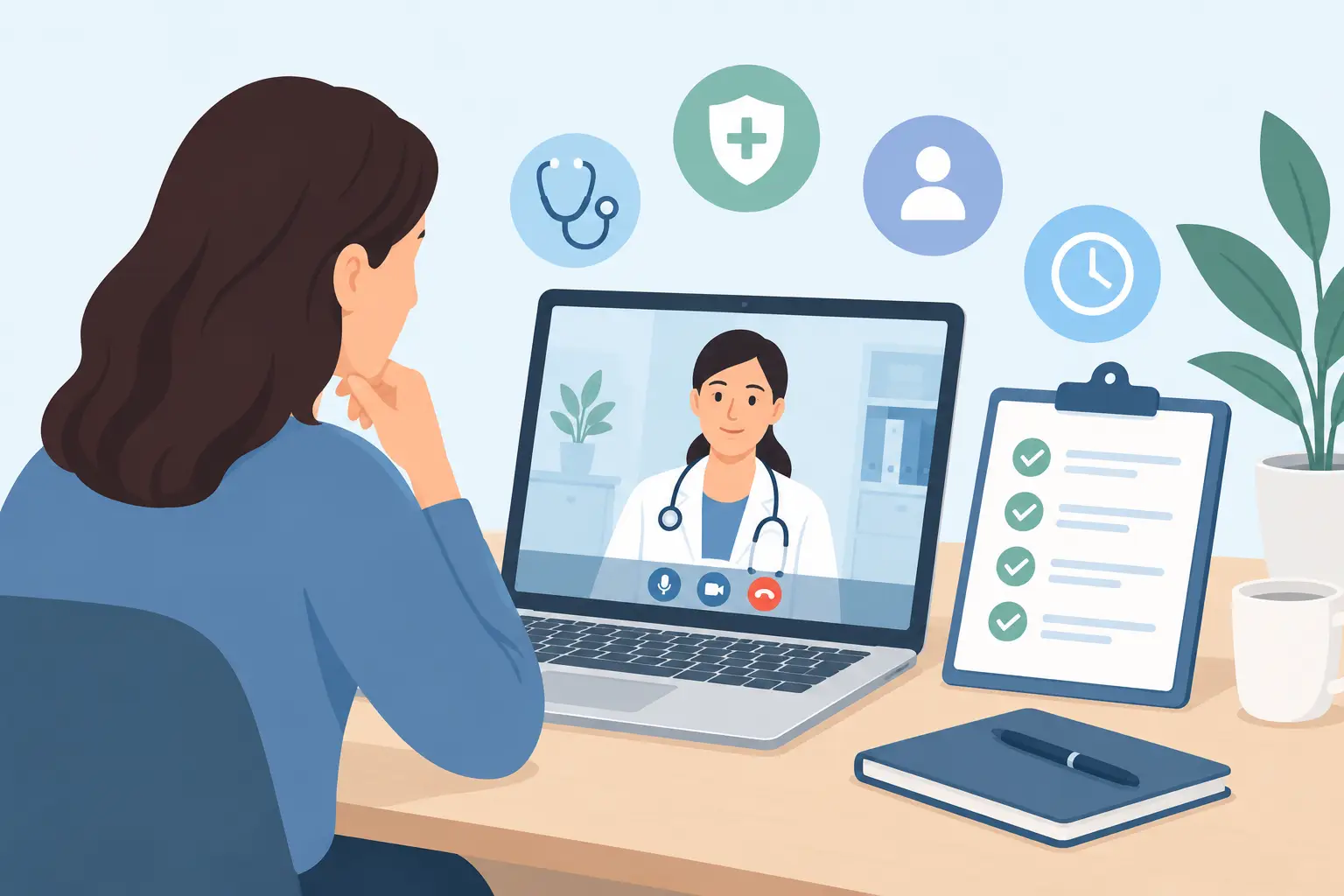
An online GP consultation works much like a standard appointment, with the conversation taking place by phone or video. Your doctor will ask about your symptoms, medical history, current medicines and any relevant changes in your health. They use that information to decide what can safely be managed remotely and what needs an in-person assessment.
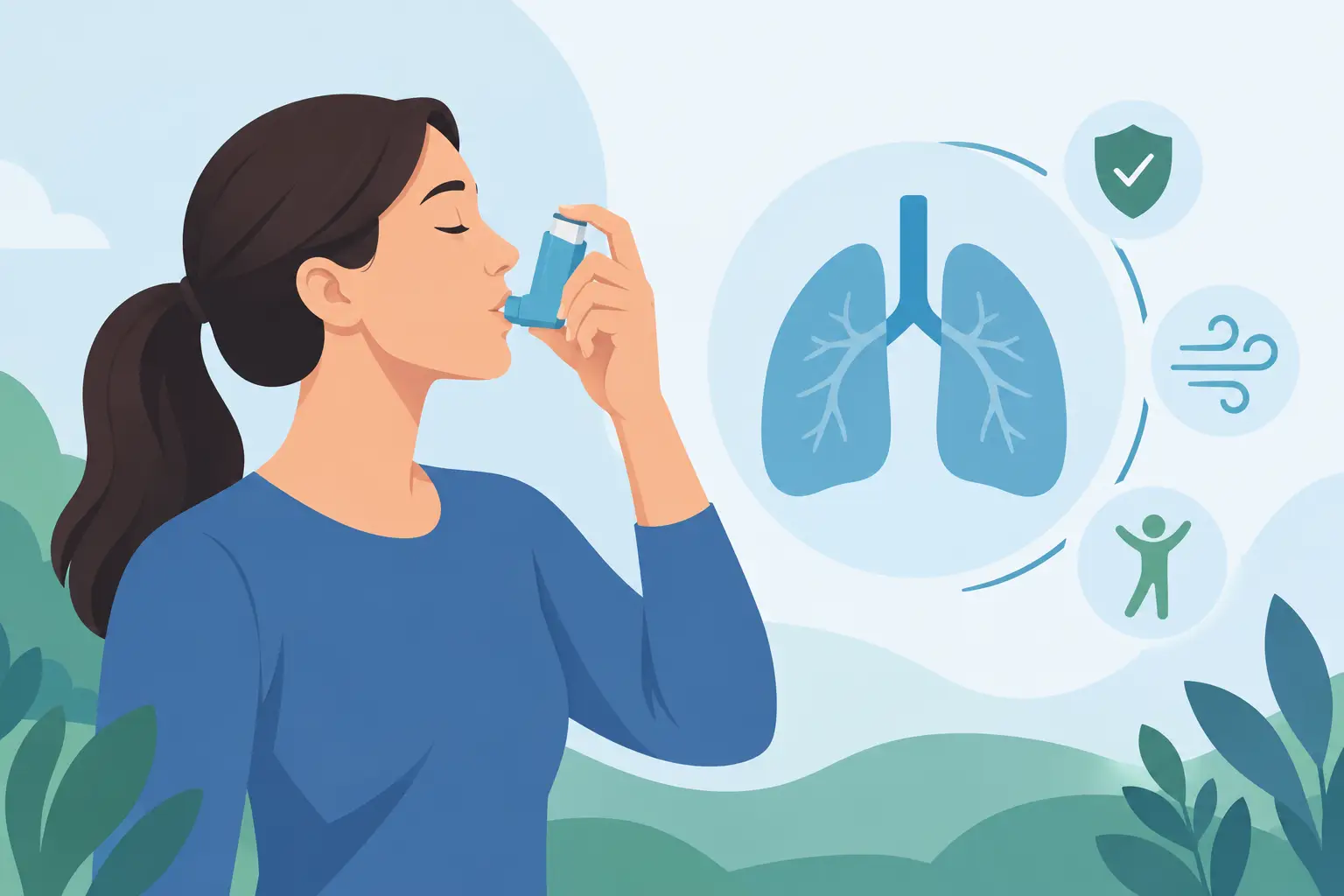
For everyday primary care, telehealth can be particularly useful for conditions and requests that are straightforward to discuss. This may include cold and flu symptoms, sinus concerns, uncomplicated urinary tract infection symptoms, asthma management, skin concerns, men’s and women’s health questions, and support with weight management. It can also suit people seeking a repeat script, a new prescription where clinically appropriate, a pathology request, a specialist referral or a medical certificate.
The value is not simply avoiding travel. It is being able to act sooner when you are unwell, time-poor, caring for children or living a long way from a clinic. A private conversation with a qualified GP can help you understand the next step without rearranging your entire day.
When an online doctor makes sense
The best telehealth appointments start with a realistic question: can this concern be assessed safely through a detailed conversation and, if needed, video? Often, the answer is yes. A GP can listen to your symptoms, review your history, assess risk factors and explain a treatment plan or follow-up pathway.
Online consultations are often a good fit when you already know what you need, such as a repeat prescription or certificate, but still require a doctor to assess your circumstances. They are also useful when symptoms are mild to moderate, familiar, and not getting rapidly worse.
For example, a busy parent with a recurring asthma concern may need advice about ongoing management and a review of their medication. A student with cold symptoms may need guidance on managing them and documentation for missed commitments. Someone in a regional area may need a referral or pathology request without a lengthy trip into town. In each case, the GP still decides whether telehealth is appropriate after speaking with the patient.
Privacy can be another reason to choose an online appointment. Sensitive concerns are often easier to raise from a familiar setting, provided you can speak somewhere others cannot overhear. There is no need to sit near strangers in a clinic while you are feeling unwell or discussing a personal issue.
What happens during an online GP consultation
A good telehealth experience should be simple, but it should never feel rushed. Before your appointment, have your Medicare details if relevant to your records, a list of current medications, allergy information and a brief note of when your symptoms started. If you have a thermometer reading, recent blood pressure result, photos of a visible skin concern or test results, keep those ready too.
During the consultation, be direct about what is worrying you. Mention symptoms that may seem unrelated, how severe they are, what makes them better or worse, and whether you have tried any treatment. Tell the doctor if you are pregnant, have a chronic condition, take regular medicine or have had a similar issue before.
The doctor may provide advice, prescribe medication if it is clinically suitable, issue a medical certificate, arrange a referral or request pathology. E-scripts and other approved documents can be sent by SMS or email, helping you move on to the next step without extra paperwork.
There are limits, and they are there for your safety. If the GP cannot make a safe assessment remotely, they may ask you to attend a clinic, imaging provider or hospital. That is not a failed appointment. It is appropriate clinical judgement. At TeleDoc, patients consult Australian-registered GPs, and if a doctor is unable to help, the consultation is fully refunded.
When you should seek in-person or urgent care
Telehealth is designed for non-emergency care. Do not wait for an online appointment if you have severe or worsening symptoms, chest pain, difficulty breathing, signs of stroke, heavy bleeding, a serious allergic reaction, thoughts of self-harm, or a medical emergency. Call Triple Zero (000) or attend the nearest emergency department.
You may also need an in-person assessment if you have a significant injury, need a physical examination, require a procedure, or have symptoms that cannot be properly evaluated over phone or video. Young children, older people and anyone with complex medical needs may need a lower threshold for face-to-face care, depending on the situation.
If you are unsure, describe your symptoms clearly when booking or speaking with the GP. They can advise whether an online consultation is suitable or whether you should seek care elsewhere.
How to get more from your appointment
Convenience works best when the clinical conversation is well prepared. Choose a quiet, private place and make sure your mobile is charged. If you are using video, sit somewhere with reasonable lighting and internet coverage. A few minutes of preparation can save time and help your doctor form a clearer picture.
It also helps to be specific about your goal. Are you looking for advice on symptoms, a medication review, a certificate, a referral or a pathology request? You can have more than one concern, but let the doctor know what matters most first. This gives them space to assess the issue properly and discuss any follow-up you may need.
Be prepared for an answer that is different from the one you expected. A responsible GP may decide that antibiotics are not appropriate, that a prescription needs a fuller review, or that your symptoms require examination. Good healthcare is not about receiving a particular document or medication. It is about receiving advice that is safe and appropriate for you.
Common questions about online GP care
Can an online doctor prescribe medication?
Yes, an Australian-registered GP may issue a prescription following an online consultation when it is clinically appropriate. Some medicines and circumstances require an in-person assessment, and the doctor will explain this if it applies to you.
Can I get a medical certificate online?
A GP can issue a medical certificate after assessing your situation. It is not automatic, as the doctor must be satisfied that the certificate is medically appropriate. Where issued, it can be sent digitally for convenience.
Is telehealth private?
A reputable telehealth service should handle your personal and health information securely. You can do your part by taking the appointment in a private place, avoiding public Wi-Fi where possible and checking that the mobile number and email address you provide are correct.
What if I need follow-up care?
Your doctor may provide self-care advice, arrange a prescription, issue a referral or pathology request, or recommend that you see a GP in person. If symptoms change or do not improve as expected, seek further medical advice rather than waiting it out.
Healthcare does not always need a waiting room to be careful, personal and clinically sound. For the right concern, speaking with an online doctor can put practical GP support within reach when your day has no room to spare.