A cough that will not settle, a repeat prescription running low, a UTI starting on a busy workday – these are the moments when getting to a clinic can feel harder than the health issue itself. If you are asking what telehealth can treat in Australia, the short answer is many common, non-emergency health concerns that a GP can safely assess by phone or video.
Telehealth is not a replacement for every face-to-face appointment. It is a practical way to speak with an Australian-registered GP when you need timely advice, treatment options or medical documentation without the travel, waiting room or disruption to your day. The GP will listen to your symptoms, review relevant history and decide whether telehealth is suitable or whether you need an in-person examination, tests or urgent care.
What can telehealth treat in Australia?
Telehealth is particularly useful for straightforward primary care needs where your symptoms can be discussed clearly and an in-person physical examination is not essential at the outset. Every consultation is individual, and a GP will make the clinical decision based on what is safe and appropriate for you.
Common reasons Australians use telehealth include short-term illnesses, recurring health concerns, prescriptions, certificates and referrals. A phone or video consultation may help with:
- cold, flu and COVID-like symptoms where you need advice on symptom management or time away from work or study
- sinus symptoms, sore throats, hay fever and other mild respiratory concerns
- urinary tract infection symptoms, where clinically appropriate
- gastroenteritis, nausea, diarrhoea and other minor digestive issues
- skin concerns that can be discussed or viewed by video, such as rashes, dermatitis or mild acne
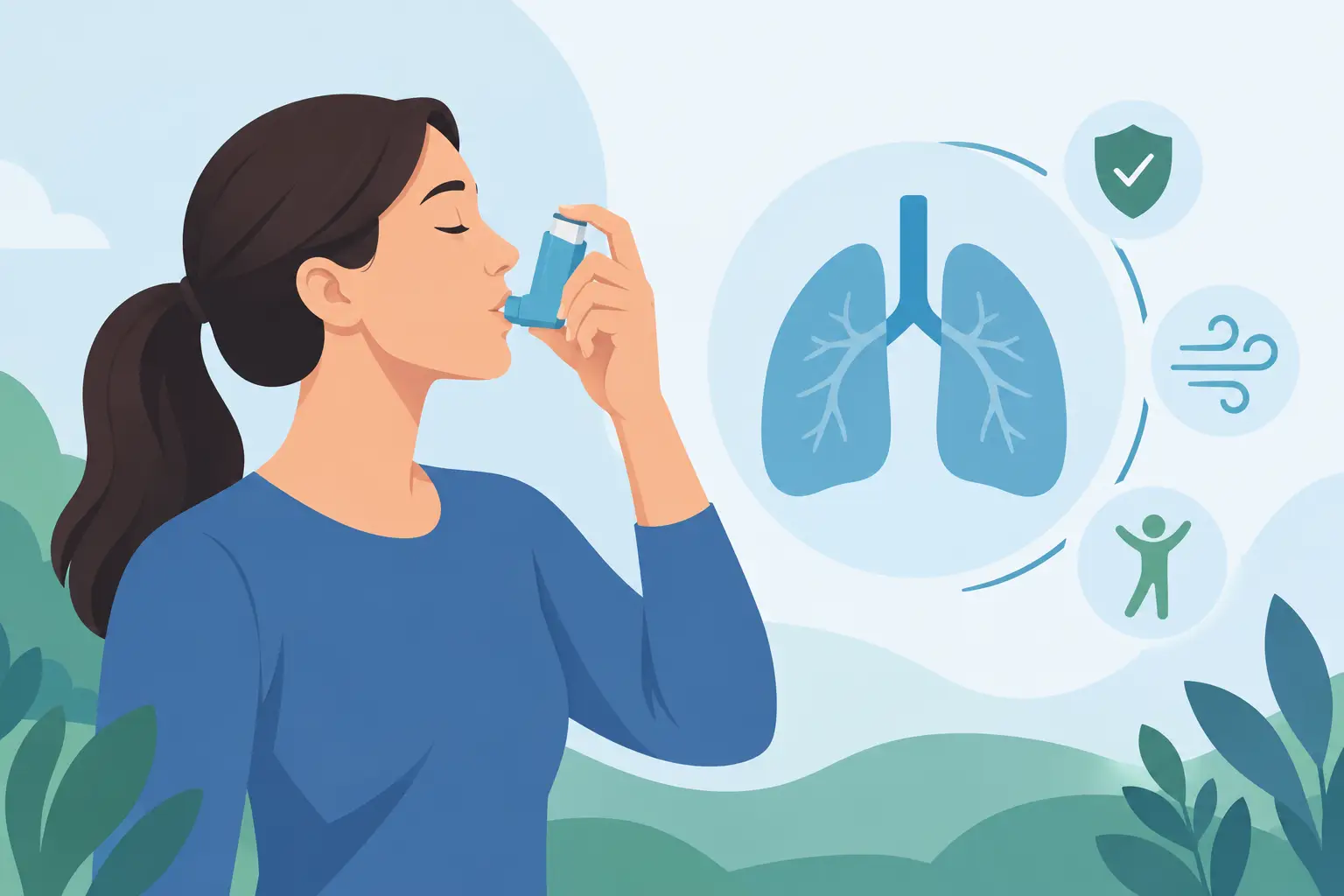
- asthma management, including discussing symptoms, inhaler use and suitable next steps
- headaches, migraines and sleep concerns that need GP assessment
- women’s health and men’s health concerns, including sensitive issues you may prefer to discuss privately
- weight management concerns and general lifestyle support.
Telehealth can also be a sensible starting point when you are unsure how serious a problem is. A GP can help you understand what may be causing your symptoms, what you can do now and whether an in-person appointment is needed. That guidance can save an unnecessary trip to a clinic, but it can also ensure you do not delay care when a physical examination matters.
Treatment depends on a proper GP assessment
A telehealth consultation is still a medical appointment, not an automatic pathway to medication or a document. The GP may ask about your symptoms, allergies, medical conditions, current medicines and relevant history. They may recommend self-care, prescribe treatment where appropriate, arrange tests, provide a referral or advise you to attend a clinic.
Some conditions sound simple but need closer assessment. For example, a rash may be manageable through telehealth, while a rapidly spreading rash with fever may require urgent examination. A GP’s role is to make that distinction safely.
Prescriptions, repeat scripts and e-scripts
One of the most common uses of telehealth is managing medicines. If you need a repeat script or have a condition that is stable and already known to you, an online GP consultation may be an efficient option.
A GP can review your medication needs and, if appropriate, issue an electronic prescription. This is generally sent by SMS or email, so you can take the token to a pharmacy without collecting a paper script. It is useful when you are travelling, working long hours, caring for children or simply cannot fit a clinic visit into your day.
New prescriptions can also be considered during telehealth appointments, but they are never guaranteed. Some medicines require more detailed assessment, monitoring or an in-person examination. The GP will explain the safest next step for your situation.
Medical certificates, referrals and pathology requests
Telehealth can deal with the practical healthcare tasks that often arise alongside everyday illness. If you are unwell and need evidence for work, university or another commitment, a GP may issue a medical certificate after an appropriate consultation.
A GP can also provide a specialist referral when your symptoms or medical history suggest you need further assessment. For example, persistent skin concerns, ongoing digestive symptoms or a musculoskeletal problem may need a specialist or allied health professional. Starting with a GP consultation helps ensure the referral is relevant and based on your individual needs.
Pathology requests may be available when tests are clinically indicated. Telehealth works well for discussing why a test may be useful and reviewing certain results afterwards. However, you will still need to attend a collection centre for tests that require a sample, such as blood or urine.
When telehealth is not the right choice
Convenience should never come before safety. Telehealth has limits because a GP cannot physically examine you, listen to your chest directly, check vital signs or perform procedures through a phone or video call.
You may need an in-person appointment if you have a new lump, an injury needing examination, significant ear pain, persistent severe symptoms, a wound, worsening infection or a condition requiring hands-on assessment. Babies, older people, pregnant patients and people with complex health conditions may also need face-to-face care sooner depending on their symptoms.
If your GP believes telehealth is not suitable, that is useful clinical guidance, not a failed appointment. At TeleDoc, patients consult fully licensed Australian GPs who work to the standards set by the Medical Board of Australia. If the doctor is unable to help through the service, you receive a full refund.
Call 000 for emergencies
Do not use telehealth for an emergency. Call 000 or attend an emergency department if you or someone else has chest pain, severe difficulty breathing, signs of stroke, heavy bleeding, loss of consciousness, a serious allergic reaction, seizures, severe injury or immediate risk of harm.
For urgent but non-life-threatening concerns, an in-person urgent care service, GP clinic or hospital may be more appropriate. If you are unsure, seek urgent medical advice rather than waiting for symptoms to worsen.
How an online GP consultation works
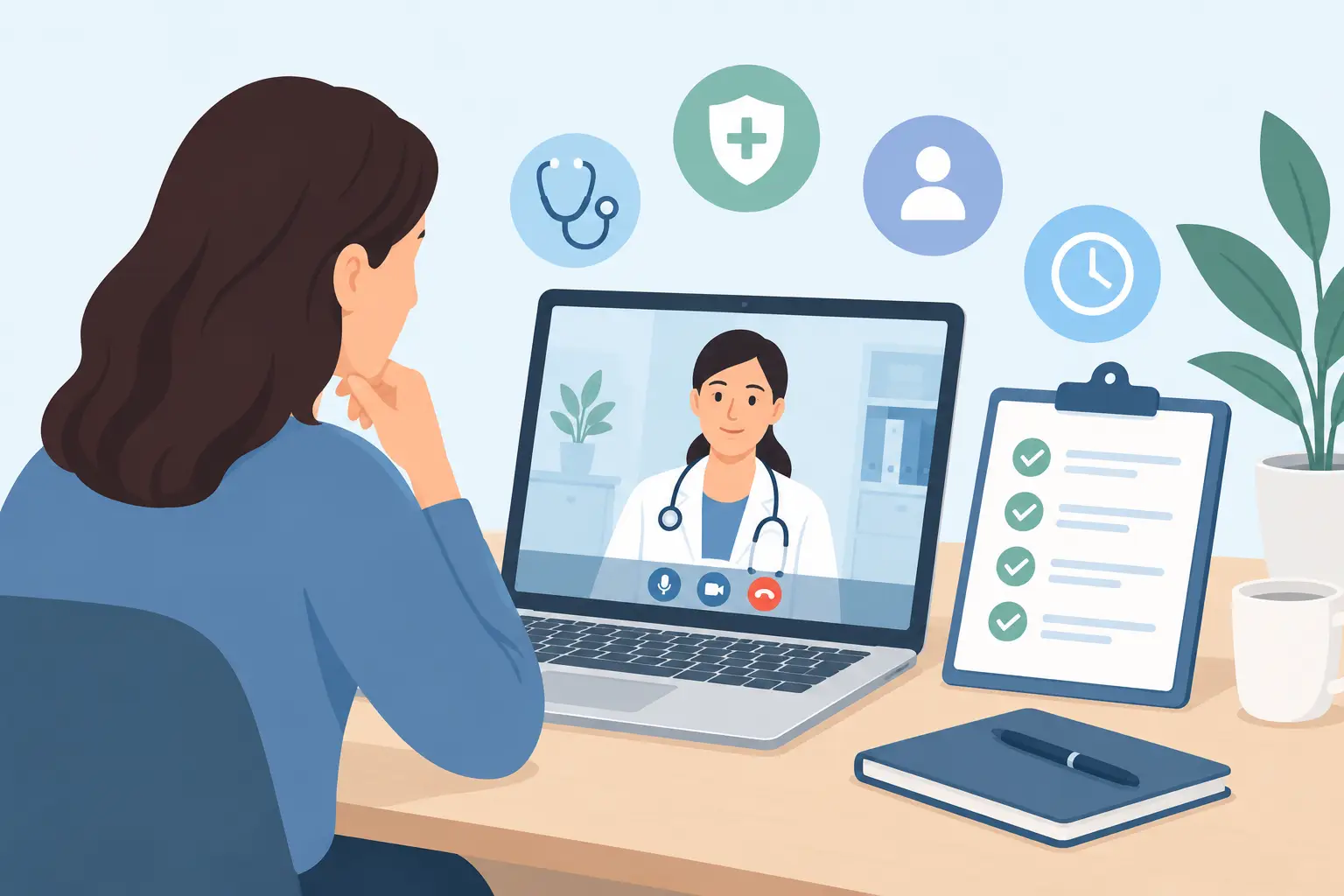
For routine health concerns, the process is designed to be straightforward. You book a consultation online, choose a suitable time and speak with an Australian-registered GP by phone or video. There is no need to sit in a waiting room or download an app.
Before your appointment, have a brief list of your symptoms, when they began, any medicines you take and any relevant medical history. If you are discussing a skin issue by video, good lighting can help. If you have recent test results, discharge information or a medication list, keep them nearby so you can give the GP accurate details.
After the consultation, any appropriate outcomes – such as an e-script, medical certificate, referral or pathology request – can be sent digitally. If an in-person examination is needed, the GP can explain where to go and how quickly you should be seen.
Getting the most from telehealth care
Telehealth works best when you are clear about the main reason for your appointment. You do not need medical language. Saying that your symptoms started three days ago, are getting worse and are affecting sleep gives a GP useful information.
Be open about anything that may change the advice, including pregnancy, allergies, chronic conditions, recent travel or medications. It can feel easier to mention sensitive concerns from home, and your consultation remains private and secure.
For everyday health needs, telehealth gives you a practical first step: speak with a qualified GP, get clear advice and receive the appropriate next action without putting your whole day on hold.