A sore throat that worsens overnight, a repeat prescription running low, or a medical certificate needed before work can quickly disrupt a busy day. The top benefits of same day GP care are not just about speed. They are about getting credible medical advice, practical next steps and the right documentation without putting everyday life on hold.
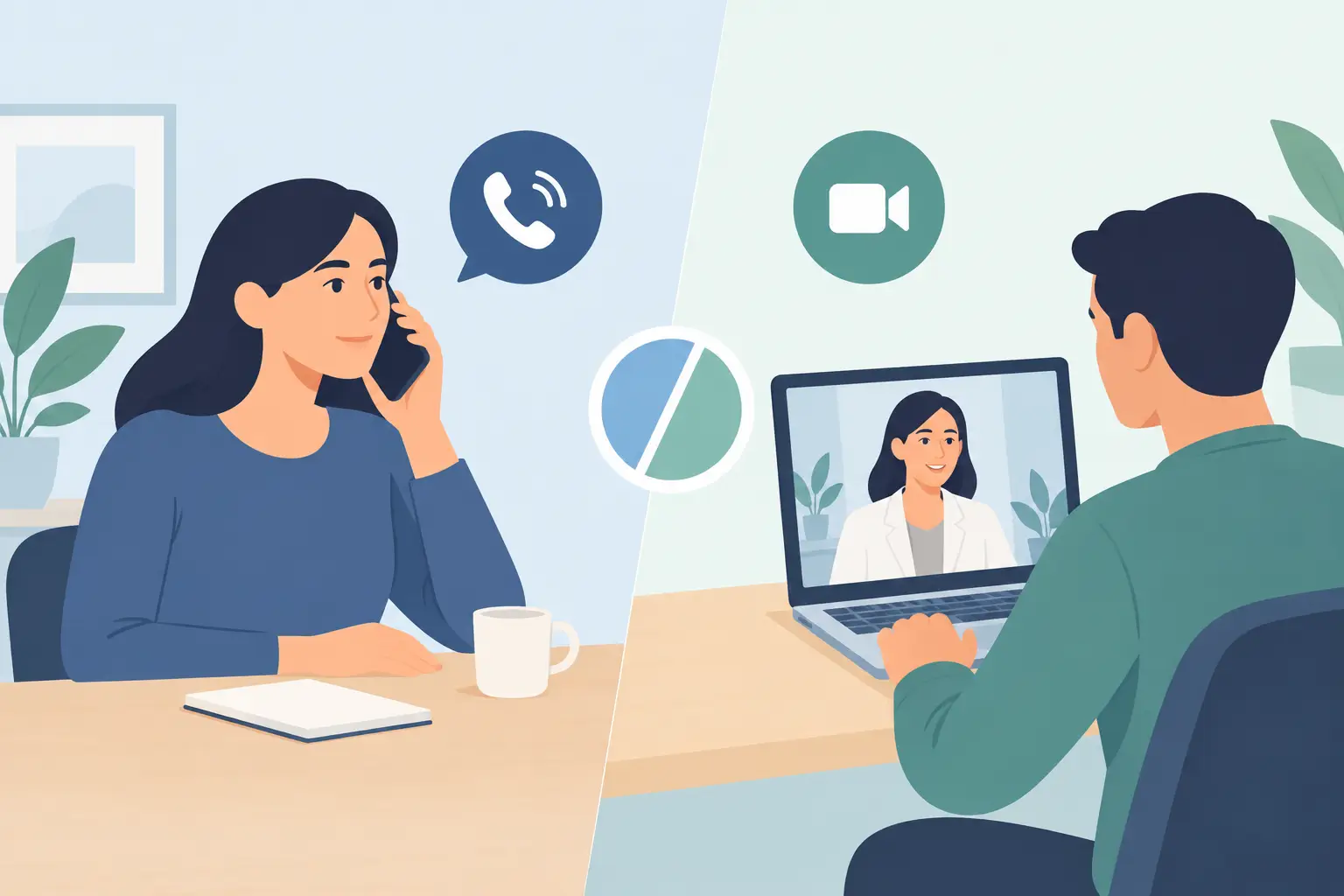
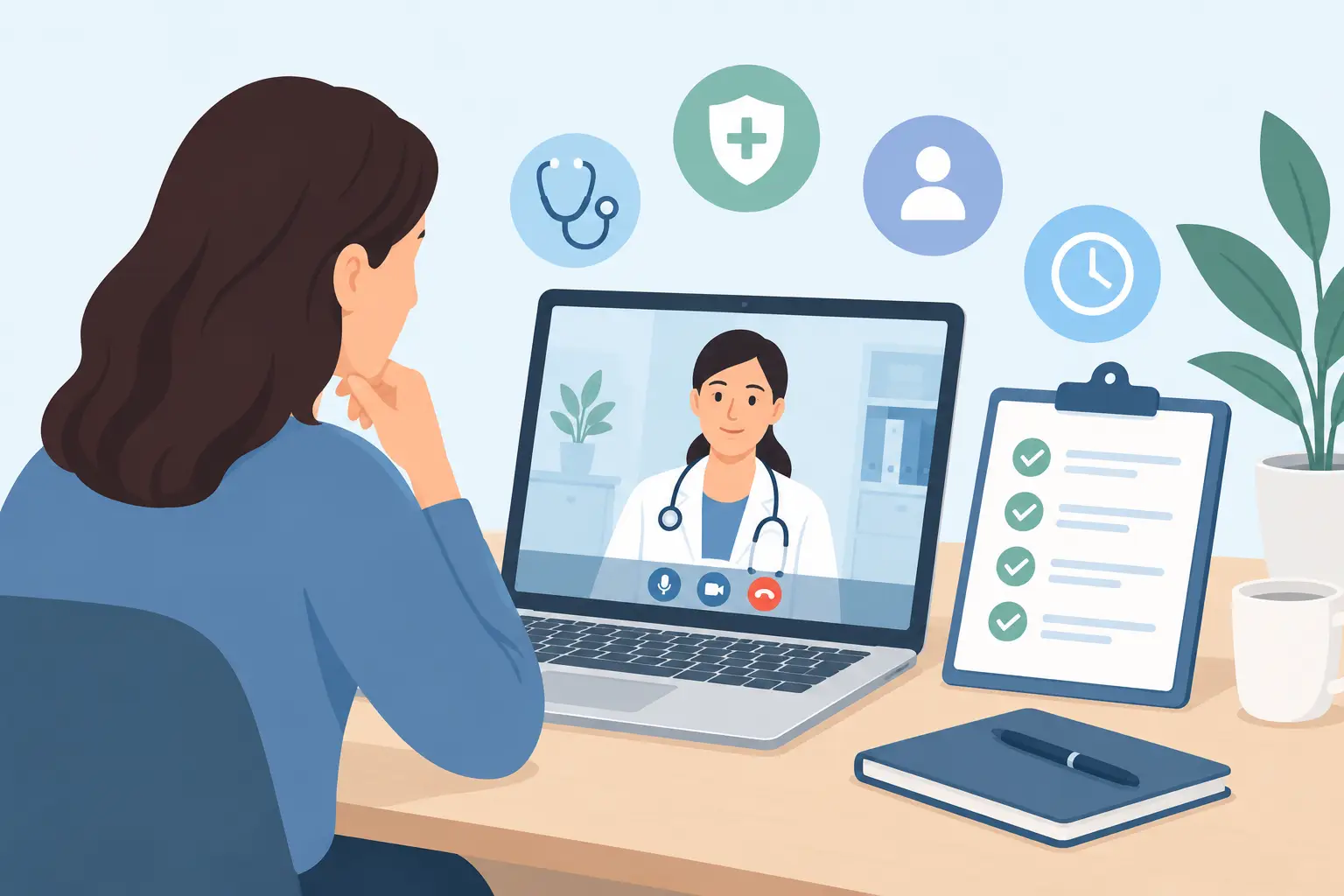
For many Australians, a same-day telehealth appointment can replace travel, a crowded waiting room and the uncertainty of trying to find an available clinic slot. It gives you a direct way to speak with an Australian-registered GP by mobile or video for a wide range of non-emergency health concerns.
Same day GP care helps you act sooner
When symptoms are new or getting worse, waiting several days for an appointment can be frustrating. Same-day access lets you discuss what is happening with a GP while the details are fresh and before a manageable concern becomes more disruptive.
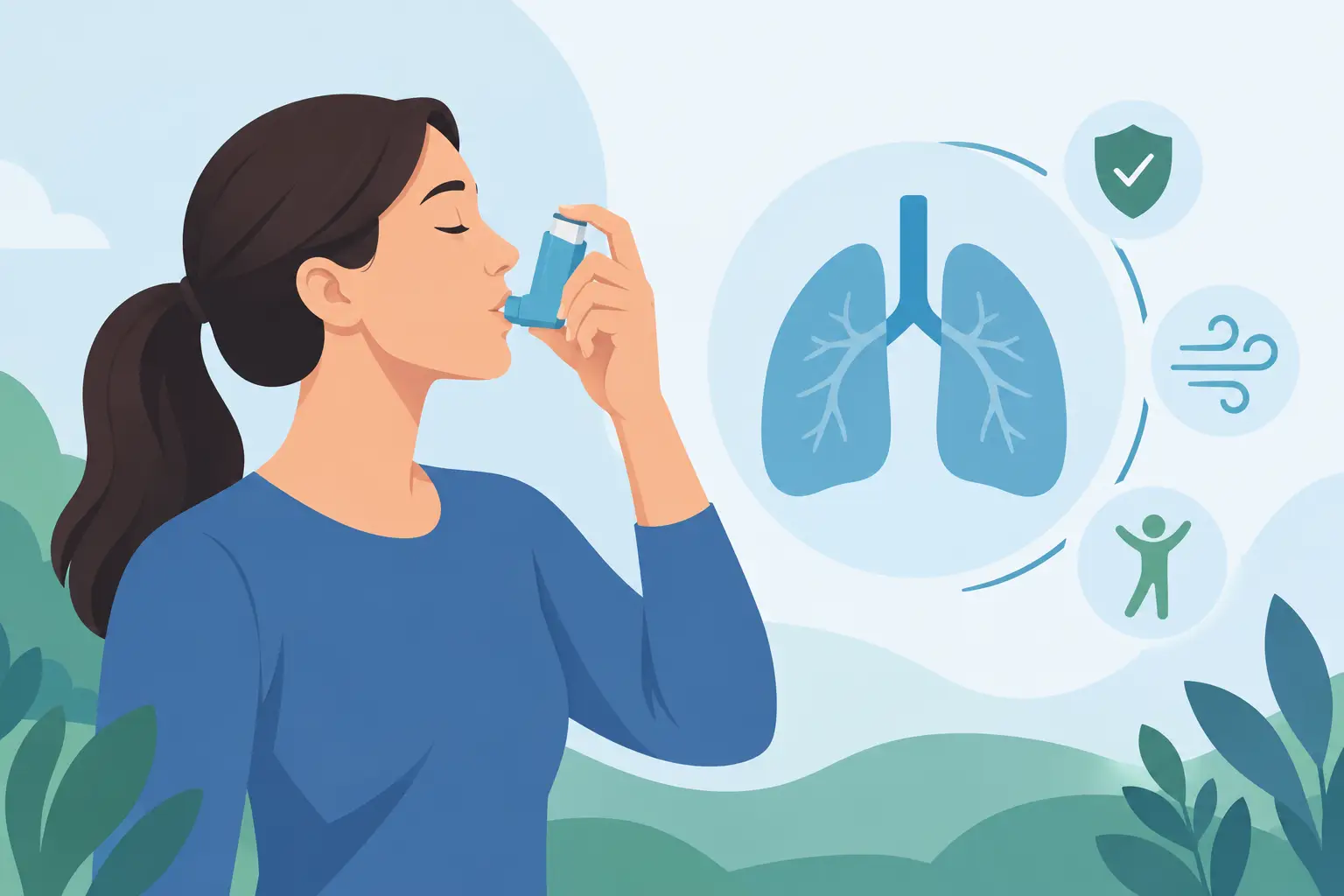
This does not mean every issue needs urgent treatment. A mild rash, sinus symptoms, a urinary tract infection, asthma question or medication concern may still need an assessment, even if it is not an emergency. A GP can ask targeted questions, review your symptoms and advise whether home care, treatment, testing or an in-person examination is the sensible next step.
Early advice can also reduce guesswork. Rather than relying on online searches or old medication in the bathroom cabinet, you can receive advice tailored to your circumstances and medical history.
The top benefits of same day GP appointments for busy people
Time is often the biggest barrier to routine healthcare. A face-to-face appointment can mean taking time away from work, arranging childcare, driving across town and sitting in a waiting room. For a straightforward concern, those extra steps can make people delay care longer than they should.
A same-day telehealth consultation is designed to fit around real schedules. You can book online, speak to a GP from home, your office or another private location, and get back to your day sooner. There is no app to download, which is particularly useful when you need care quickly and do not want to create another account or learn a new platform.
This can make a meaningful difference for parents managing sick children, students balancing classes and assessment deadlines, shift workers with irregular hours, and professionals who cannot easily leave the workplace. It is also valuable when you are unwell enough to need advice but not well enough to manage a trip to a clinic.
Access medical care without the travel
Same-day GP care can be especially helpful for people outside major cities, where the nearest clinic may be a considerable drive away or appointments may be limited. Telehealth does not remove the need for local, in-person services when a physical examination is required. It can, however, provide a practical first point of contact for many everyday concerns.
For metropolitan patients, convenience matters too. Traffic, parking, public transport and long waits can turn a short consultation into a half-day task. Speaking with a GP on your mobile or by video means healthcare can happen where you are, provided you have a suitable private space and reliable connection.
The trade-off is that a GP cannot physically examine you through a screen or mobile call. If your symptoms require an examination, procedure, imaging or urgent assessment, the doctor may recommend an in-person clinic, pathology collection service or hospital. That is good clinical care, not a limitation to work around.
Get practical outcomes during the consultation
Many people seek a GP appointment because they need a clear next step, not simply reassurance. Depending on your consultation and what is clinically appropriate, a same-day GP may be able to provide an electronic prescription, repeat script, medical certificate, pathology request or specialist referral.
These outcomes can be particularly useful when timing matters. If you need evidence for an employer or education provider, a medical certificate may be issued after the GP has assessed your situation. If an ongoing medication needs review, the GP can determine whether a repeat prescription is appropriate. Electronic documents can be sent by SMS or email, avoiding an extra trip to collect paperwork.
It is worth remembering that no document, prescription or referral is automatic. Australian-registered GPs must make decisions based on a proper clinical assessment and professional standards. That protects patients and ensures care remains focused on what is medically appropriate.
More privacy for sensitive health concerns
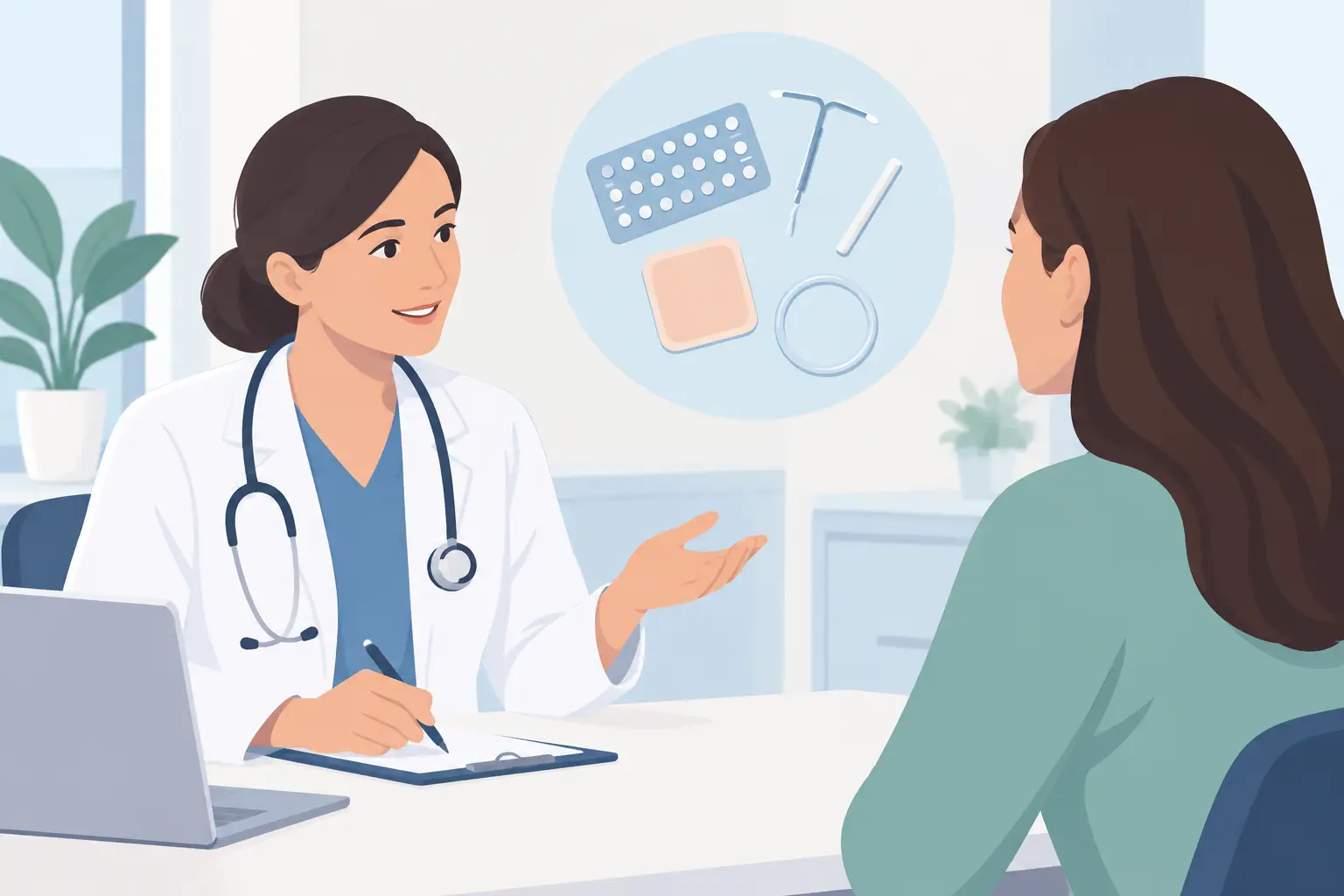
Some health matters are difficult to discuss in a busy clinic waiting room or at a reception desk. Same-day telehealth can offer a more private setting for conversations about sexual health, women’s health, men’s health, mental wellbeing, weight management, skin concerns or prescription questions.
Privacy still requires a little planning at your end. Choose a quiet room where others cannot overhear your consultation, use headphones if needed, and avoid discussing personal health details in a shared workplace or public space. A good telehealth service should also use secure systems and handle your health information carefully.
For many patients, being in a familiar environment makes it easier to explain symptoms honestly. That can help the GP understand the issue and give more useful advice.
A reliable option when your regular clinic is unavailable
Your usual GP remains an important part of ongoing healthcare, especially for complex conditions, long-term management and preventive care. But regular clinics are not always available when you need them. Appointments may be booked out, you may be travelling, or a weekend concern may not be able to wait until the next working day.
Same-day GP care can fill that gap for non-emergency needs. It gives you access to a qualified doctor without requiring you to abandon your usual healthcare relationships. If follow-up is needed, you can take the advice, results or documentation from the consultation to your regular doctor.
This flexibility is useful for people who travel for work, live between locations, care for family members or simply cannot predict when a minor health issue will arise.
Clear care for common, non-emergency conditions
Telehealth is often well suited to common primary care needs where discussion, medical history and visible symptoms can support a GP assessment. This may include colds and sinus symptoms, uncomplicated UTIs, allergies, skin concerns, medication renewals and requests for medical documentation.
It depends on the symptoms. A GP may be able to assess a rash by video if the image is clear, but may need an in-person review if the rash is spreading quickly, painful or accompanied by fever. A discussion about asthma medication may be suitable by telehealth, while severe breathlessness needs urgent in-person care.
Same-day access works best when patients are upfront about their symptoms, medications, allergies and relevant medical history. Have your pharmacy details ready if you think you may need a prescription, and tell the GP about any changes that concern you.
When same-day telehealth is not the right choice
Fast access should never replace emergency care. Call Triple Zero (000) or attend an emergency department for severe chest pain, difficulty breathing, signs of stroke, heavy bleeding, serious injury, severe allergic reactions, loss of consciousness or immediate concerns for your safety.
For non-emergency matters, a telehealth GP can help determine what level of care you need. TeleDoc connects patients with fully licensed, Australian-registered GPs for straightforward, everyday health concerns and can provide guidance when a face-to-face assessment is the better option. If a doctor cannot help through the service, patients receive a full refund.
The value of same-day GP care is simple: it gives you a credible place to turn when life cannot pause for a clinic queue. When a routine concern needs attention, speaking with a GP promptly can help you make a clear, informed next move.