Most people do not need more healthcare. They need less friction. If you have a script that needs renewing, a UTI that cannot wait a week, or a sick note for work before the school run starts, an online GP consultation can be the fastest way to get legitimate medical care without sitting in a waiting room.
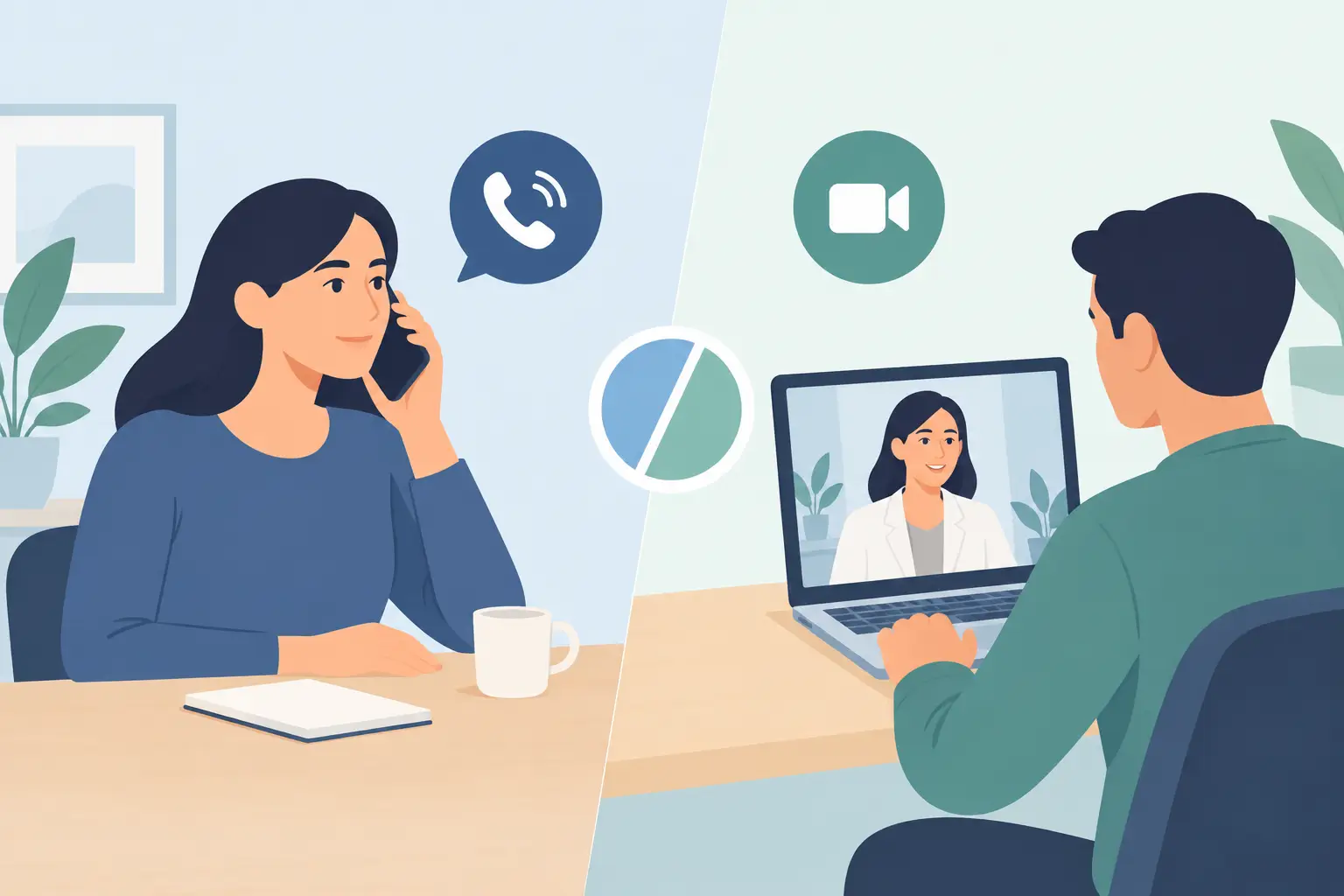
For many Australians, that shift is practical rather than novel. You book online, speak with an Australian-registered GP by phone or video, explain what is going on, and if clinically appropriate, receive the next step quickly – whether that is advice, an eScript, a medical certificate, a referral, or a pathology request. The appeal is simple: less travel, less waiting, and less disruption to your day.
What an online GP consultation actually does well
An online GP consultation is best suited to common, non-emergency health needs where a doctor can safely assess you without an in-person examination. That includes issues like repeat prescriptions, mild infections, asthma management, sinus symptoms, skin concerns, contraception discussions, men’s and women’s health matters, and short-term documents such as medical certificates.
It also works well for people who know what they need reviewed. If you have taken a medication before and need a repeat script, or if you need a referral to a specialist after discussing symptoms with a GP, telehealth removes a lot of the admin that usually sits around basic care.
This is where convenience matters most. A ten-minute appointment can otherwise become half a day once you factor in travel, parking, waiting rooms and time away from work or family. For parents, regional patients, shift workers and students, that time saving is not just nice to have. It is often the difference between getting care and putting it off.
When online GP consultation is the right choice
Not every medical issue needs a clinic visit. In many cases, what patients want is safe triage and a clear next step. Telehealth can provide exactly that.
Good fit for routine care
Routine primary care is where telehealth shines. If your concern is straightforward, if your symptoms can be discussed clearly, and if the GP can make a safe clinical decision based on history and follow-up questions, online care is often enough. You may be able to sort out a script renewal during a lunch break or request a medical certificate without rearranging your whole day.
The process is especially useful when speed matters but the issue is not urgent in the emergency sense. A suspected sinus infection, mild UTI symptoms, an eczema flare, or needing advice about a recurring issue can often be handled quickly by a GP over the phone or by video.
Better than waiting it out
A lot of patients delay care because booking a clinic appointment feels like effort. That delay can turn minor issues into longer, more uncomfortable ones. Online access lowers that barrier. Instead of deciding whether the problem is worth the commute, you can speak to a doctor sooner and find out what is appropriate.
That does not mean telehealth replaces face-to-face care. It means it fills the gap between doing nothing and going into a clinic for every single issue.
What an online GP cannot safely replace
This is the part that matters just as much as convenience. Telehealth is not the right setting for emergencies or situations where a doctor needs to examine you physically to make a safe decision.
Chest pain, severe shortness of breath, stroke symptoms, heavy bleeding, major injuries, severe allergic reactions, or sudden worsening of a serious condition need urgent in-person care. The same goes for symptoms that clearly require hands-on assessment, testing on the spot, or immediate treatment.
There are also grey areas. A rash might be easy to review by video, or it might need a closer look in person. A sore throat could be a simple viral illness, or it might need examination. Good telehealth services are clear about that line. If the GP cannot help safely online, they should tell you and guide you to the right next step. If they are unable to help, a provider like TeleDoc offers a full refund, which gives patients an extra layer of confidence when booking.
How online GP consultation works in practice
The best telehealth experiences are simple. You should not need to download an app, create a complicated profile, or spend twenty minutes figuring out the booking flow.
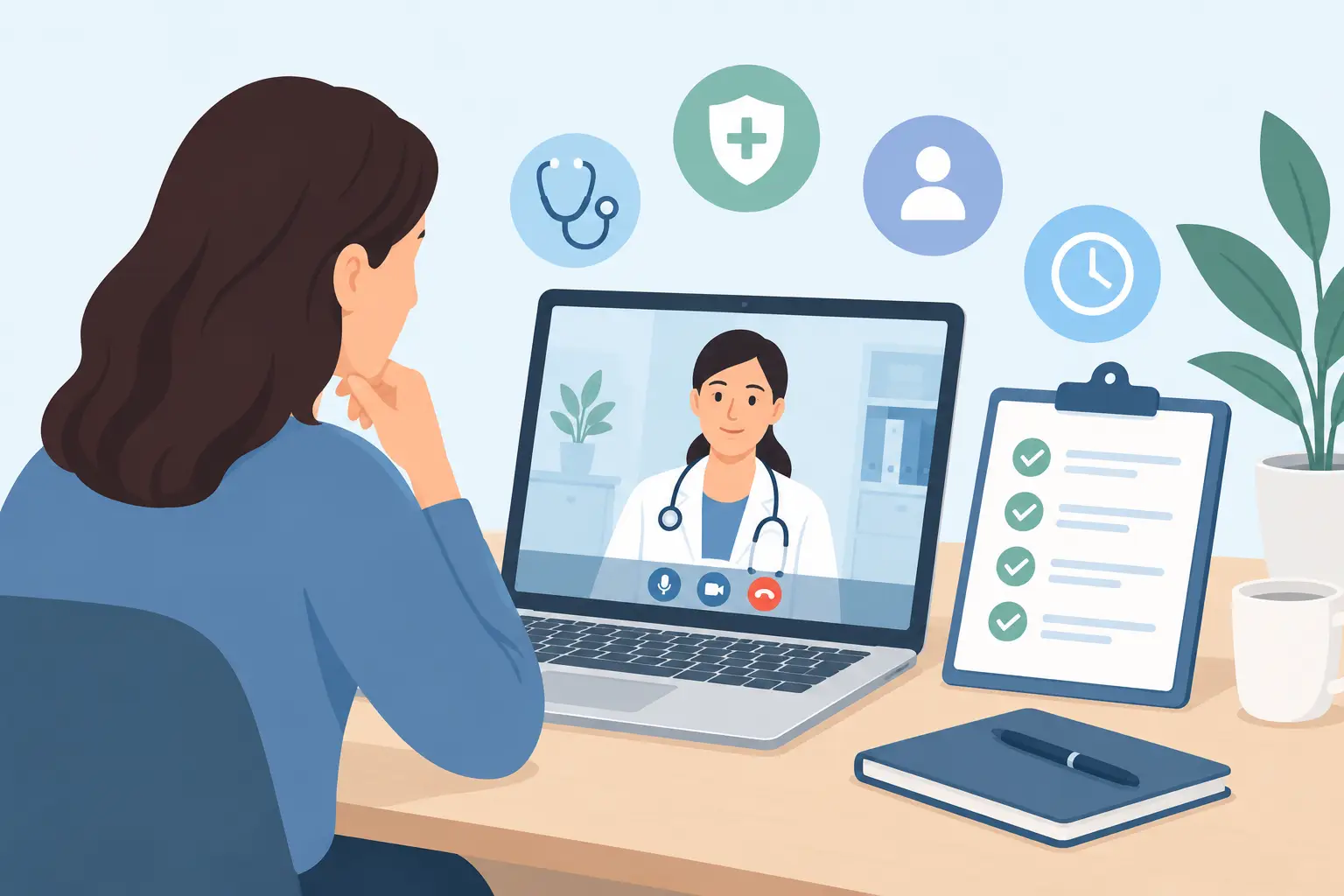
In most cases, you choose a consultation type, book a time online, and wait for your phone or video appointment. During the consultation, the GP asks about your symptoms, medical history, medications and any red flags. If treatment or documentation is clinically appropriate, you receive it digitally after the appointment, usually by SMS or email.
That might include an electronic prescription, a referral letter, a medical certificate, or a pathology request. For patients, that is often the real value of telehealth. It is not just access to a conversation. It is access to practical outcomes that move your care forward on the same day.
Why patients choose online care over a clinic visit
The obvious answer is convenience, but convenience alone is not enough in healthcare. Patients also want legitimacy, privacy and a process that feels secure.
Speaking with an Australian-registered GP matters because it reassures people that they are receiving care from a fully licensed doctor working to the standards expected by the Medical Board of Australia. That is especially important for first-time telehealth users, who may be comfortable shopping or banking online but still feel cautious about medical care on a mobile.
Privacy is another major factor. Some people simply do not want to discuss a prescription renewal, sexual health concern or medical certificate request at a packed clinic reception desk. Online care offers a more discreet path, especially when the issue is sensitive but common.
Then there is the practical reality of Australian life. If you live regionally, work long hours, juggle school drop-off, or cannot easily leave home, a traditional appointment may be harder than it should be. Online GP access helps bring everyday healthcare back into reach.
What to look for in an online GP consultation service
Not all telehealth services feel the same. Some are built around speed but leave patients confused about what happens next. Others add unnecessary steps that make the process feel slower than calling a local clinic.
A strong service should make the basics very clear. You should know who you are speaking with, what kind of issues they can help with, how bookings work, what documents can be issued if clinically appropriate, and how quickly those documents are delivered. Clear pricing also matters. Patients should not have to guess what a standard appointment or script renewal will cost.
It is also worth paying attention to the consultation style. Some concerns are fine by phone, while others are better by video. A service that offers both gives patients and doctors more flexibility.
Most importantly, the service should be honest about limitations. Efficient care is good. Safe care is better.
Online GP consultation and everyday health management
One reason telehealth has become part of routine care is that everyday health needs are often repetitive rather than dramatic. People need follow-up advice. They need a script continued. They need a referral so they can finally book the specialist. They need a pathology form sent through before work.
An online GP consultation fits these moments well because it reduces the gap between recognising a need and acting on it. That can support better continuity for common conditions like asthma, recurring sinus issues, simple skin complaints, or ongoing medication management.
There is still a place for your regular face-to-face GP, especially for long-term care planning, preventive checks and complex health issues. But telehealth can be an efficient complement. It helps with the parts of primary care that are time-sensitive, straightforward and document-driven.
That balance is where online healthcare works best. Not as a replacement for everything, but as a fast, secure and credible option for the issues that suit it.
If you have been putting off care because the waiting room, commute or scheduling hassle feels bigger than the problem itself, that is usually the clearest sign that telehealth may be worth trying. The right online GP consultation makes everyday healthcare easier to act on – and sometimes that is exactly what people need.