A repeat prescription runs out before a work trip. Your child wakes with a rash on a busy morning. You need a medical certificate but cannot spend half the day travelling to, and waiting at, a clinic. When you need to book a GP online same day, a phone or video appointment can offer a practical way to get advice for many everyday health concerns.
Online GP care is designed for situations that need timely attention but are not emergencies. You can discuss your symptoms privately with an Australian-registered GP, receive clinical advice and, where appropriate, have relevant documents sent to your mobile or email after the consultation. It is healthcare on your mobile, not in a waiting room.
When same-day online GP care makes sense
Same-day telehealth is often a good fit when your concern is straightforward, you are able to explain your symptoms clearly, and a physical examination is unlikely to be needed immediately. It can be particularly useful for people managing work, study, family commitments or distance from a local clinic.
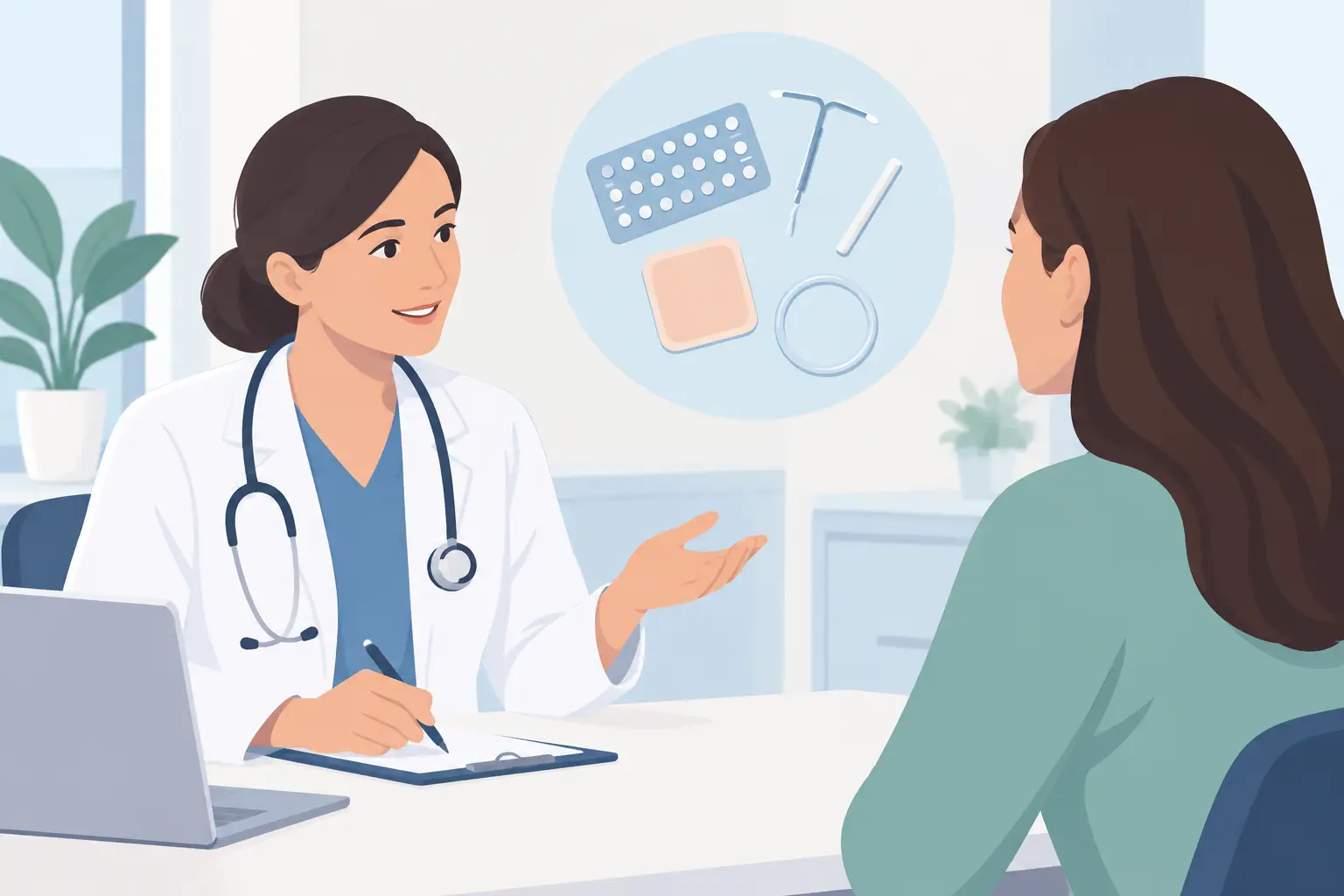
Many patients use an online GP for common concerns such as cold and flu symptoms, sinus discomfort, urinary tract infection symptoms, hay fever, minor skin concerns, asthma management, gastro symptoms, women’s health or men’s health questions. It can also be helpful when you need advice about a new issue and are unsure whether it can wait for a regular appointment.
Administrative healthcare needs can be just as time-sensitive. If clinically appropriate, a GP may provide a medical certificate, repeat prescription, specialist referral or pathology request. The decision always sits with the doctor. A consultation is not simply a form to complete – it is an opportunity for a qualified GP to assess whether the requested care is safe and suitable for you.
For regional and rural Australians, online appointments can reduce the time and cost involved in travelling for routine care. For parents, they can make it easier to seek advice without packing everyone into the car. For busy professionals and students, they can keep a health concern from becoming an all-day disruption.
How to book a GP online same day
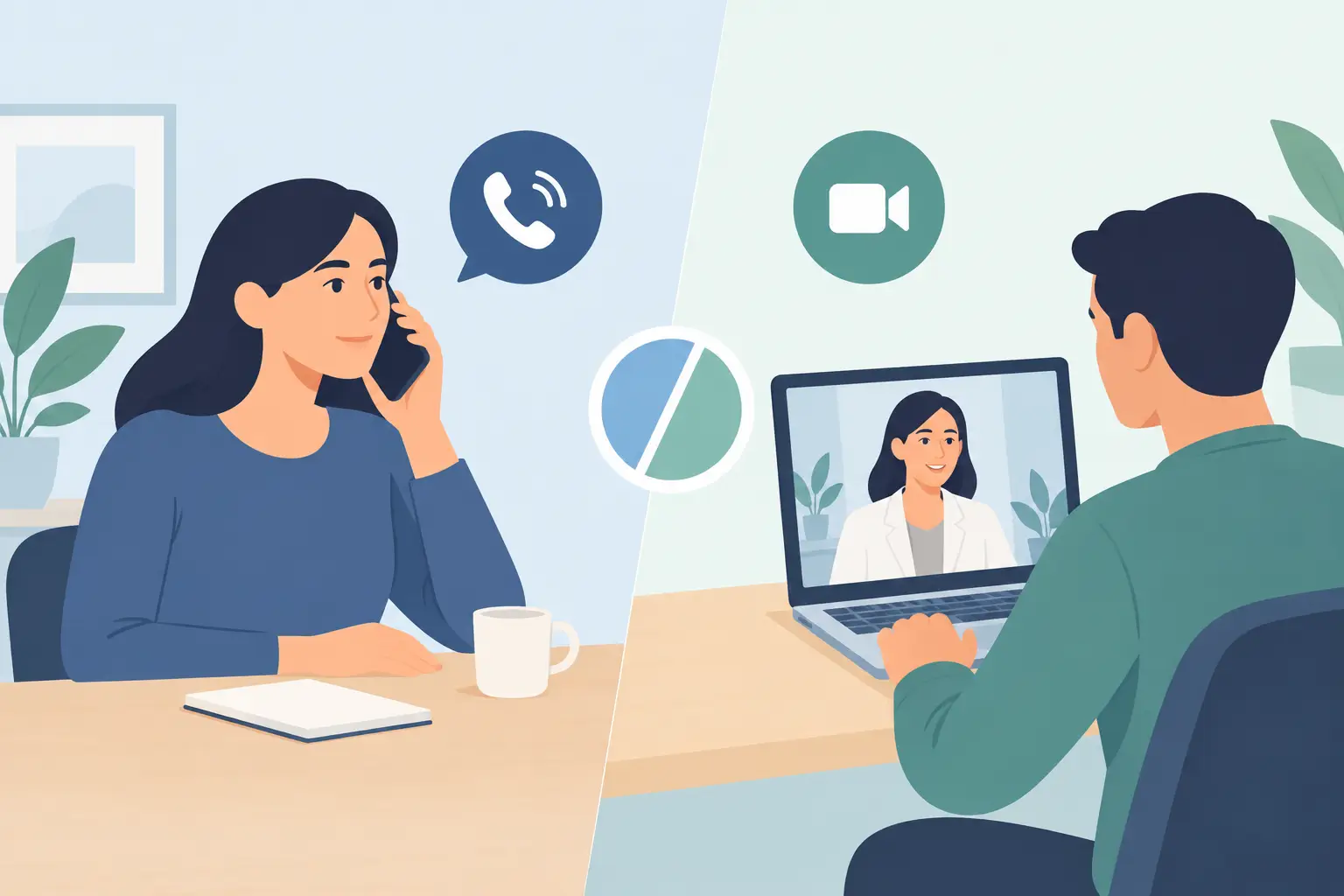
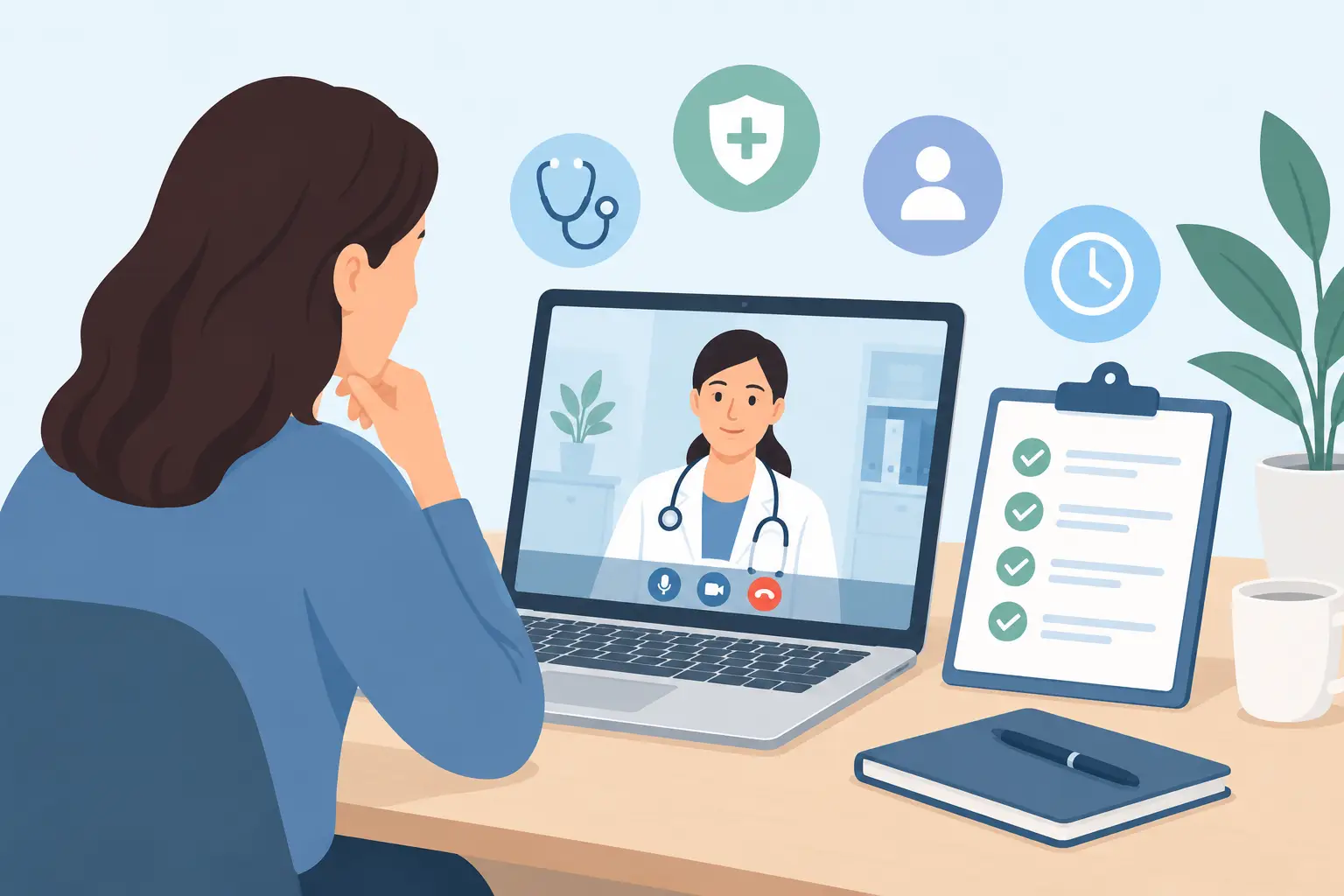
The process should be simple. Choose an available appointment time online, enter the necessary details, and join your consultation by phone or video from a private location. With TeleDoc, there is no app to download, so you can focus on the appointment rather than setting up new technology.
Choose a time that gives you privacy
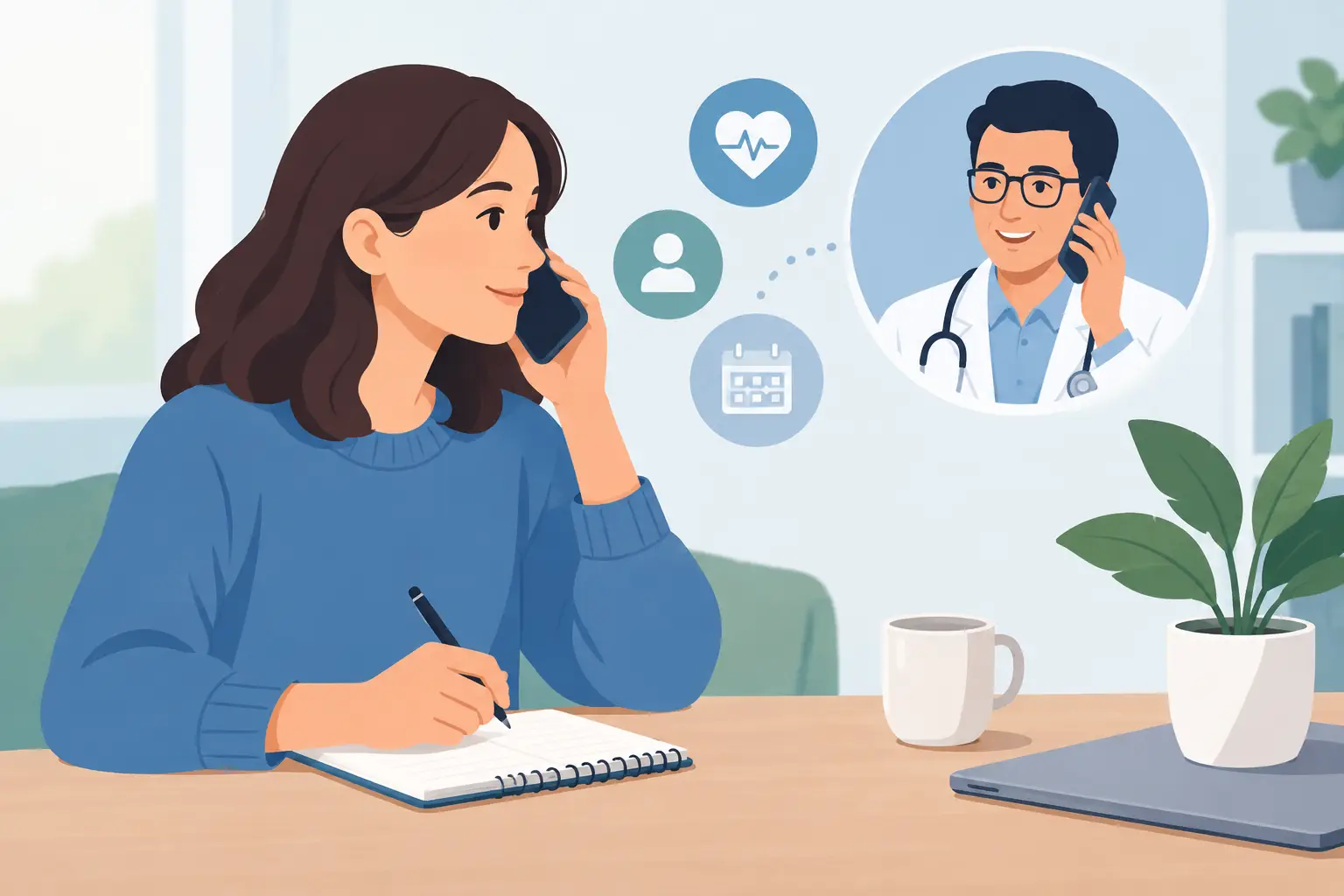
Same-day availability is useful only if you can speak openly. Find a quiet place where you can discuss your symptoms, medications and medical history without being overheard. Have your mobile nearby, make sure it is charged, and use a reliable phone signal or internet connection if you have selected video.
If your concern involves a rash, swelling or another visible symptom, video may help the GP gather more information. Good lighting can make a difference. Even so, video cannot replace every hands-on examination, and the GP may recommend an in-person assessment if they need to check something more closely.
Prepare the information a GP needs
A few minutes of preparation can make your appointment more efficient and more useful. Be ready to explain when the issue started, what symptoms you have, whether they are improving or worsening, and what you have tried so far. Mention existing conditions, allergies, pregnancy where relevant, and all medicines or supplements you are taking.
For prescription renewals, know the medicine name, strength and how often you take it. For a referral, explain why you are seeking specialist care and any previous tests or treatment. If you have recent results, discharge information or relevant documents, keep them on hand to refer to during the consultation.
Clear information does not mean you need to diagnose yourself. Your job is to describe what is happening. The GP’s job is to ask the right questions, assess the situation and explain the appropriate next step.
Receive care based on clinical need
At the end of the appointment, the GP will explain their assessment and what should happen next. That may include self-care advice, a prescription where appropriate, a certificate, a pathology request, a referral, or a recommendation to attend a clinic or urgent care service in person.
Where a script or document is issued, it can be delivered digitally by SMS or email. This means you can often move from consultation to the next step without printing paperwork or returning to a reception desk. If a doctor is unable to help with your concern through the service, TeleDoc offers a full refund.
What online GPs can and cannot do
Telehealth gives you access to real medical care, but it has sensible limits. A fully qualified, Australian-registered GP can take a history, review many common symptoms, discuss treatment options, issue eligible prescriptions and provide documentation when clinically justified. They can also identify when online care is not enough.
The trade-off is that a GP cannot listen to your chest, test your reflexes, take your blood pressure or physically examine an injury through a phone call. Video can add useful visual detail, but it does not remove that limitation. If your symptoms require a physical examination, imaging, a procedure or urgent monitoring, the safest outcome may be an in-person service.
This is a strength of responsible telehealth, not a failure of it. Good online care includes knowing when to direct a patient to the right setting.
When to seek urgent or emergency help instead
Do not wait for a same-day telehealth appointment if you have severe chest pain, trouble breathing, signs of stroke, severe allergic reaction, major bleeding, loss of consciousness, a serious injury, or thoughts of harming yourself or someone else. Call Triple Zero (000) or attend the nearest emergency department.
You should also seek urgent in-person care for rapidly worsening symptoms, severe abdominal pain, dehydration that prevents you from keeping fluids down, or a very unwell child. If you are unsure how urgent a situation is, it is safer to seek immediate medical advice through an appropriate urgent service.
For non-emergency concerns, an online GP can still be a useful first point of contact. The doctor can help you understand whether home care, a pharmacy, a pathology test, a face-to-face GP appointment or urgent assessment is the right next move.
Getting more value from a same-day appointment
A quick appointment does not need to feel rushed. Start with the main reason you booked, then mention any related symptoms or concerns before the consultation ends. If you need a certificate or repeat script, say so early, but be prepared for the GP to ask questions before deciding whether they can provide it.
It also helps to ask practical questions: What should I watch for? How long should recovery take? When should I seek in-person care? Is there anything I should avoid while taking this medicine? These questions turn a convenient appointment into a clear plan for what happens after you hang up.
Same-day access is most useful when it gives you the right care at the right time. Whether you need advice, a treatment plan or essential documentation, booking an online GP appointment can help you deal with everyday health needs promptly, privately and with less time away from the rest of your life.