You wake up crook, your shift starts in two hours, and the last thing you want is to sit in a waiting room just to prove you should be at home. That is exactly why a guide to online medical certificates matters. For many everyday illnesses, a telehealth appointment can give you fast access to a legitimate certificate from an Australian-registered GP, without turning a sick day into an all-day project.
Online medical certificates have become a practical option for adults who need short-term documentation for work, study or other routine obligations. They suit the way many people already manage life – on a mobile, between meetings, during school runs, or from home when travel is the last thing they can manage. But convenience only helps if the process is clear and the certificate is actually valid.
Guide to online medical certificates: what they are
An online medical certificate is a medical certificate issued after a telehealth consultation, usually by phone or video. In Australia, this certificate may confirm that you were assessed by a doctor and were unfit for work or study for a stated period, or that you were fit to return with appropriate timing.
The key point is that the certificate is not just a form generated by a website. A valid medical certificate should come from a qualified health practitioner who has assessed your situation and made a clinical judgement. That is the difference between a legitimate telehealth service and a shortcut that may not stand up if an employer or institution checks it.
For patients, this means the online part is simply the delivery method. The clinical standard still matters. If you are consulting a fully licensed Australian GP, the certificate should reflect the same professional obligations that apply in a face-to-face appointment.
When an online certificate usually makes sense
Online medical certificates are best suited to common, non-emergency situations where a GP can reasonably assess you remotely. Think viral illnesses, gastro symptoms, migraines, period pain, minor infections, flare-ups of existing conditions, or short-term stress-related symptoms where you need time away and medical advice.
This model works well when the main need is straightforward documentation plus GP guidance. If you have a fever, a hacking cough and no energy to leave the house, speaking to a doctor by phone or video is often more practical than travelling to a clinic.
It also helps people in regional areas, workers with tight schedules, parents juggling children at home, and students who need proof of illness the same day. In those situations, speed and simplicity are not luxuries. They are the reason the care gets arranged at all.
When it may not be the right option
A good guide to online medical certificates also needs to be honest about limits. Telehealth is not right for every condition, and not every request will result in a certificate.
If you have chest pain, difficulty breathing, severe abdominal pain, neurological symptoms, major injury, or anything that could be urgent, you need in-person emergency care. The same applies if your condition cannot be safely assessed over the phone or video. A GP may decide that you need a physical examination, testing, or hands-on assessment before issuing documentation.
There are also grey areas. Sometimes the issue is mild enough for telehealth, but the requested leave period is longer or more complex than a doctor can support remotely. In those cases, the doctor may provide a shorter certificate, ask for follow-up, or recommend an in-person review. That is not a flaw in the process. It is part of proper medical practice.
How the process usually works
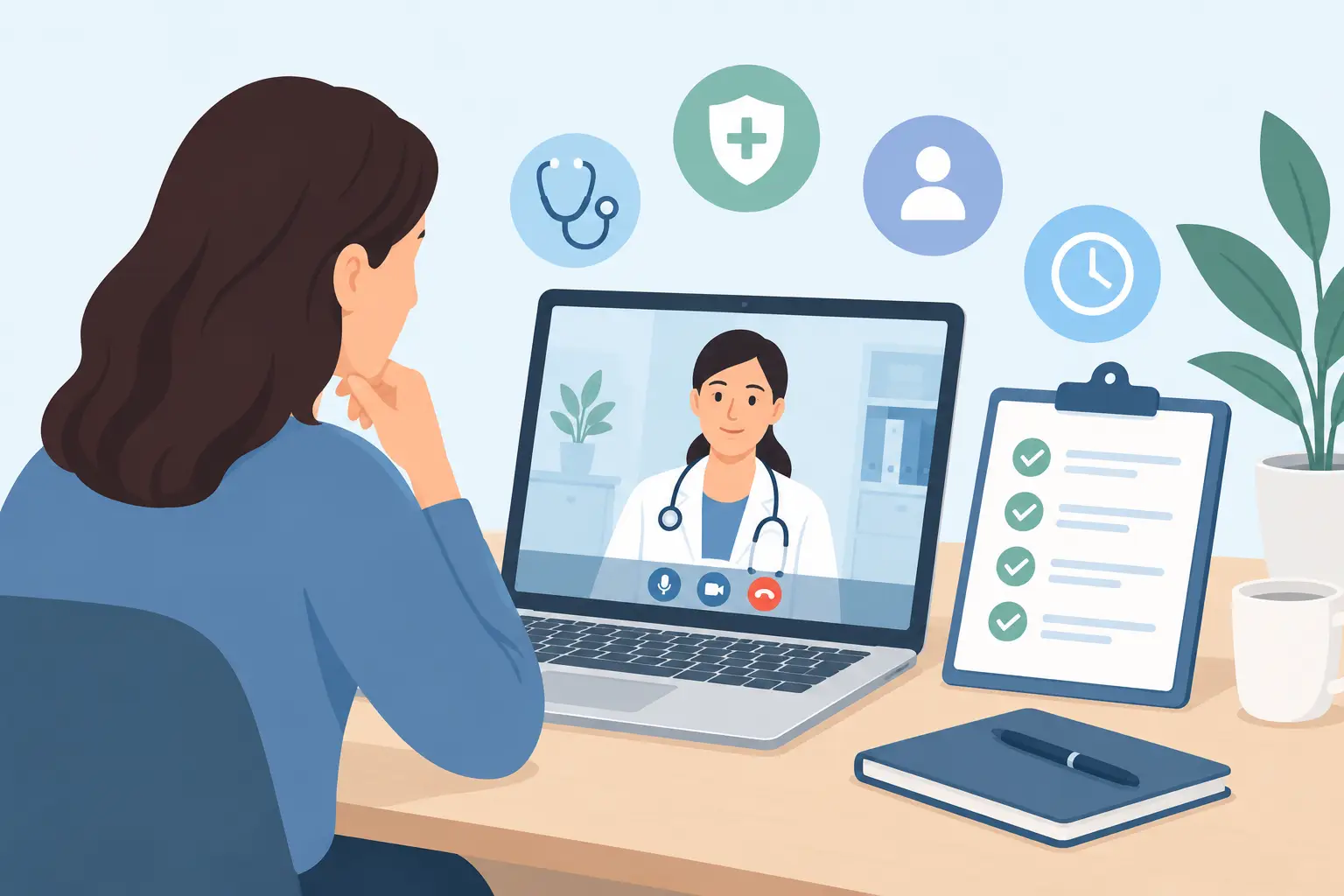
The process is designed to be simple. You book an appointment online, choose a suitable time, and complete basic details about your concern. At consultation time, you speak with a GP by phone or video and explain your symptoms, when they started, how they are affecting you, and why you need the certificate.
The doctor will ask questions to assess whether telehealth is appropriate and whether a certificate can be issued. They may also give treatment advice, discuss symptom monitoring, or recommend medication, rest, testing, or follow-up care.
If the doctor determines that a medical certificate is clinically appropriate, it is typically sent digitally by email or SMS after the consult. For patients, that means no paper forms, no extra trip, and no need to chase reception later in the day.
What makes an online medical certificate legitimate
Legitimacy comes down to who issues it and how it is assessed. In Australia, employers and education providers generally expect medical certificates to come from a registered health practitioner. That is why it matters to use a provider where you are consulting real doctors, not simply filling out an automated request form.
A proper certificate should include relevant identifying information, the date of consultation, the period covered, and the practitioner details. It does not need to disclose your diagnosis to be valid. In fact, privacy is part of the point. Your employer usually needs confirmation that you were medically unfit for work, not a detailed explanation of your health issue.
This privacy aspect is one reason many patients prefer telehealth. You can speak to a doctor confidentially from home and receive the documentation you need without discussing personal symptoms at a busy front desk or taking half a day off just to collect a note.
What employers and universities may ask for
Most workplaces and universities in Australia accept legitimate medical certificates, including those issued via telehealth, but policies can vary. Some employers ask for evidence from day one of absence. Others only require it after multiple days. Universities may have separate requirements for exams, placement or special consideration applications.
That means it is worth checking your organisation’s policy if your situation is time-sensitive. The certificate itself may be valid, but the timing, wording or supporting process might still matter. For example, an exam board may require forms in addition to the certificate, while a workplace may only need the document emailed to a manager.
If you know exactly what is required, mention it during the consultation. A GP cannot fabricate information, but they can often issue documentation in a way that is clear, appropriate and useful for the purpose.
Guide to online medical certificates: what to have ready
The appointment is usually quick, so a little preparation helps. Have your identification details ready, know the dates you need covered, and be ready to describe your symptoms clearly. It helps to mention when the illness started, whether you have taken any medication, and whether your condition affects your ability to work, study or attend class.
Be direct. If your job involves physical work, say so. If you are unable to concentrate, sleep, travel or safely perform duties, explain that. Doctors make clinical decisions based on what you tell them and what they can assess remotely, so clear information supports a smoother consultation.
It is also sensible to check your inbox and SMS after the appointment and save the certificate straight away. If you need to forward it to work or uni, doing it promptly avoids unnecessary back-and-forth while you are unwell.
The trade-off: speed versus suitability
The biggest benefit of online certificates is obvious – speed. You can often book quickly, speak to a doctor the same day, and receive documentation within minutes of the consult. For routine short-term issues, that can be a much better fit than waiting days for a local appointment.
The trade-off is that telehealth depends on what can be assessed remotely. If your symptoms are unclear, severe, or need examination, the doctor may not be able to help in the way you hoped. That can feel frustrating if what you want is a quick certificate, but it is also what keeps telehealth safe and credible.
A reliable service should be straightforward about that. Fast care only works when it is also appropriate care.
Choosing a service without the fuss
If you are comparing providers, look for a few basics. You should be able to see that consultations are with Australian-registered GPs, that privacy is taken seriously, and that the booking flow is simple enough to use when you are not feeling your best. Same-day access, transparent pricing, and delivery of certificates by SMS or email all make a real difference when you need support now, not next week.
TeleDoc is built around that kind of low-friction care for everyday medical needs. The focus is simple: connect patients with licensed Australian GPs quickly, handle routine documentation securely, and help people get on with resting rather than sitting in a clinic.
An online medical certificate should make a sick day easier, not harder. If the process is clinically sound, private and fast, it does exactly what most patients need – it removes the waiting room from a situation where the waiting room never made much sense in the first place.