Needing time off work is stressful enough without sitting in a waiting room just to get paperwork sorted. For many Australians, getting a doctor certificate online is now a practical way to speak with a GP, explain what’s going on, and receive the documentation they need without leaving home.
That convenience matters when you are unwell, caring for a sick child, managing symptoms that make travel unpleasant, or simply trying to fit healthcare into a packed day. But speed only helps if the process is legitimate. The real question is not just whether you can get a certificate online, but when it is appropriate, what a GP needs to assess, and what makes the document credible.
How a doctor certificate online works
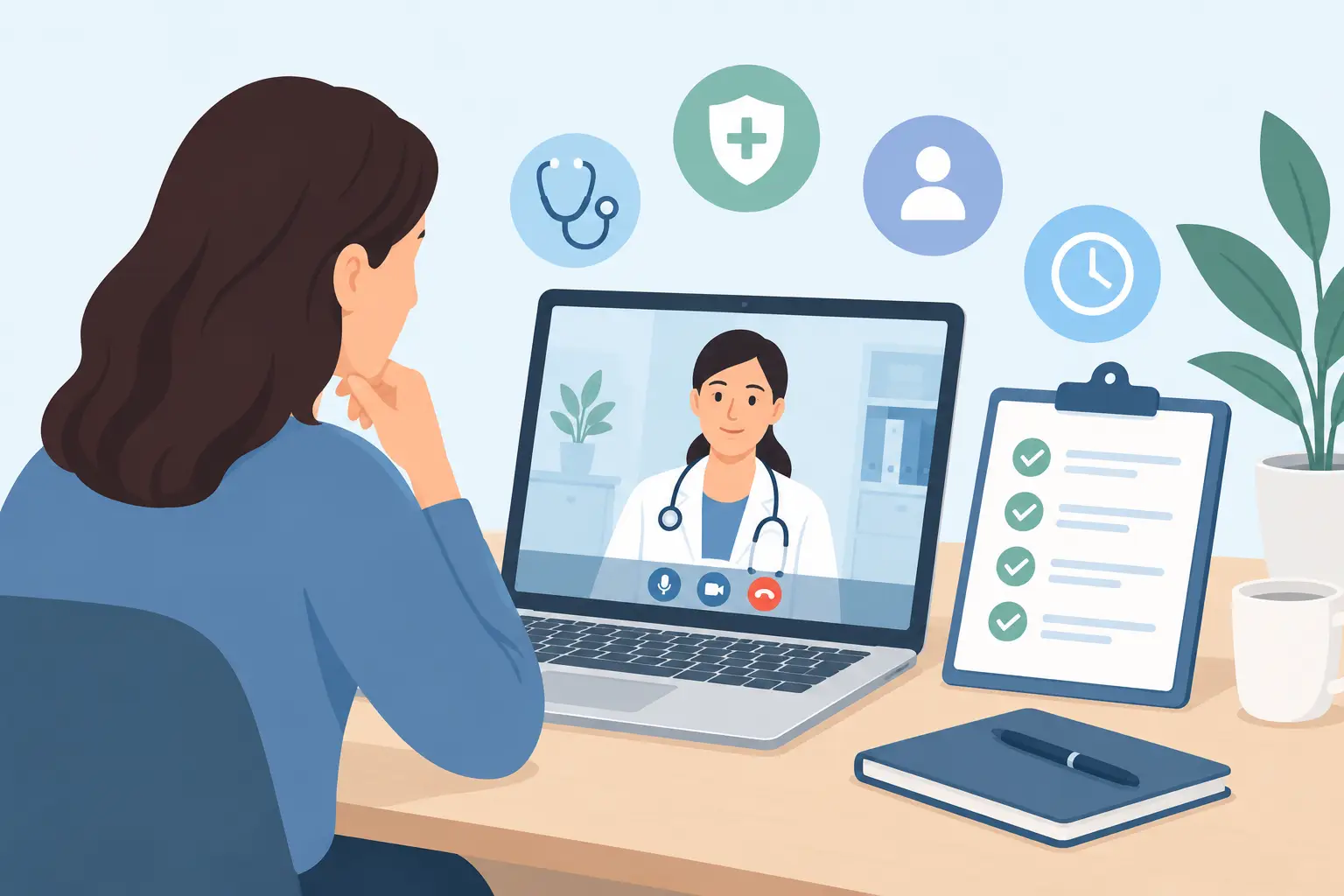
A doctor certificate online is usually issued after a telehealth consultation with a registered GP. That consultation may happen by phone or video, depending on the service and the clinical situation. The doctor will ask about your symptoms, how long you have been unwell, how those symptoms are affecting your ability to work or study, and whether there are any signs that you need in-person care instead.
If the GP is satisfied that a medical certificate is clinically appropriate, they can issue one after the consultation. In many telehealth models, the certificate is then sent by SMS or email shortly after the appointment. That means the process can go from booking to documentation in a relatively short time, which is why online care has become so useful for routine, non-emergency needs.
The important point is that a certificate should not be treated like a simple download. It is a medical document issued after a professional assessment. A legitimate provider will make that assessment part of the process rather than offering certificates with no doctor involvement.
When an online medical certificate may be appropriate
For straightforward, short-term illness, an online consultation can be a good fit. If you have symptoms like a viral illness, gastro, a migraine, a flare-up of an existing condition, or another common issue that clearly affects your ability to function, a telehealth GP may be able to help.
It can also suit people who are mildly unwell but still well enough to take a phone call, parents trying to manage a sick household, or workers in regional areas where getting to a clinic is not always simple. For those patients, the main benefit is not just convenience. It is access to a proper GP assessment without the extra hassle of travel, parking, waiting rooms, and time away from work.
There are limits, though. If your symptoms are severe, unclear, getting worse quickly, or suggest something that needs a physical examination, an online certificate may not be appropriate. A responsible doctor will say so and direct you to more suitable care. That is a strength of the system, not a weakness. Fast healthcare still needs clinical judgement.
Is a doctor certificate online valid in Australia?
In Australia, a medical certificate can be valid whether the consultation happens in person or via telehealth, provided it is issued by a qualified and registered medical practitioner who has assessed the patient appropriately. The key issue is not the format. It is whether a real doctor conducted a genuine consultation and made an independent clinical decision.
That is why provider quality matters. If you are using an online service, check that you are consulting Australian-registered GPs and that the process involves an actual medical review. A certificate from a properly registered doctor carries credibility because it reflects the same professional standards that apply in traditional practice.
Employers, universities and other organisations may have their own policies around absences, especially for longer periods. Even then, the certificate itself still needs to come from a legitimate source. If a service looks like it is selling pre-written documents with no real consult, that is a red flag.
What a GP will usually ask during the consult
Most people expect the process to be quick, but they are sometimes surprised that the doctor asks detailed questions. That is normal. A GP issuing a doctor certificate online still has professional obligations and needs enough information to make a sound decision.
You may be asked when symptoms started, how severe they are, whether you have a fever, pain, fatigue, vomiting, diarrhoea or other functional limitations, and whether you can safely perform your normal duties. If your job is physical, involves driving, machinery, childcare, or contact with vulnerable people, that may also affect the doctor’s view.
The doctor may ask about your medical history, current medicines, recent test results or whether you have seen another clinician for the same issue. In some cases, they may decide a short certificate is appropriate. In others, they may decide you need a face-to-face examination before anything can be issued. It depends on the symptoms, the level of risk, and how clearly the condition can be assessed remotely.
Why people choose online certificates
For most patients, the appeal is simple. It saves time when time already feels short. A same-day telehealth appointment can be easier to arrange than a clinic visit, especially if you are juggling work, school drop-off, caring responsibilities, or live outside a major city.
Privacy is another factor. Some people would rather discuss a routine illness from home than wait in a crowded reception area. Others are trying not to spread a contagious bug. In that situation, speaking to a GP by phone or video is often the more sensible option.
There is also the practical side. If the consultation, certificate and any other outcome such as advice, a referral or an e-script can be handled digitally, the whole experience becomes more efficient. That does not replace comprehensive GP care for every issue, but it does make everyday healthcare easier to access.
Choosing a legitimate service
Not all online healthcare services are equal. If you need a doctor certificate online, look for a provider that is clear about who you will be speaking with, how the consultation works, and what happens if the doctor decides they cannot help.
A credible service should be upfront that certificates are issued only when clinically appropriate. It should explain that consultations are conducted by fully licensed Australian doctors, protect your personal health information properly, and make the process easy without making unrealistic promises.
This is where trust and convenience should work together. A fast booking flow is useful, but the clinical standard behind it matters more. TeleDoc, for example, focuses on direct access to Australian-registered GPs through simple phone and video consultations, with clear workflows and prompt delivery of documents when appropriate. That balance is what many patients are actually looking for – speed, yes, but not shortcuts.
What an online certificate can and cannot do
A medical certificate generally confirms that, in the doctor’s opinion, you were unfit for work or study for a certain period, or that your capacity was affected. It is not a guarantee that every employer or institution will interpret leave entitlements the same way, and it is not a substitute for broader medical management if your condition is ongoing.
If you have repeated absences, chronic symptoms, or a condition that needs monitoring over time, continuity of care becomes more important. A telehealth consult can still help in many cases, but there may be situations where seeing your regular GP in person is the better option. That is especially true if there are forms requiring detailed history, physical findings, or longer-term treatment planning.
For short-term, common issues, though, online care often hits the right balance. It gives patients a straightforward way to speak with a doctor, get advice, and receive documentation without extra friction.
Before you book
It helps to have a few details ready. Think about when your symptoms began, whether you need time off for one day or several, what kind of work or study you do, and whether there are any safety concerns linked to your role. Keep your mobile nearby and make sure your email details are correct so any documentation reaches you quickly.
Most of all, be honest during the consultation. The clearer the information you give, the easier it is for the GP to assess whether a certificate is appropriate and whether any further care is needed. If the doctor advises an in-person review, pathology, or urgent assessment, take that seriously.
A doctor certificate online works best when it is used for what it should be – genuine, everyday healthcare made simpler. When the process is handled by an Australian-registered GP with proper clinical judgement, it offers something many people need: fast, private access to care that fits real life.