If you need care today, the last thing you want is another barrier between you and a doctor. That is why interest in an online doctor no app Australia service keeps growing. For plenty of everyday health concerns, being able to book online, speak to an Australian-registered GP by phone or video, and receive follow-up documents by SMS or email is simply easier.
The appeal is straightforward. No app download. No waiting room. No hunting through your mobile for storage space or creating another login you will forget next week. For busy workers, parents juggling school pick-up, students between classes, and people living outside major metro areas, that kind of low-friction access can make the difference between getting care promptly and putting it off.
Why people look for an online doctor no app in Australia
Most patients are not asking for less care. They are asking for less hassle. If your issue is relatively routine, it often feels unnecessary to travel across town, sit in reception, and wait for a short consult that could have happened from your kitchen table or parked car.
That convenience matters most when life is already full. A parent with a sick child may need a medical certificate or quick advice without packing everyone into the car. A worker with a repeat medication request may not have time to leave the office. Someone in a rural area may have fewer local appointment options, especially on short notice.
The no-app part matters more than it sounds. Many telehealth platforms are technically convenient but still add steps. Downloading software, setting up permissions, verifying accounts, and learning a new interface can slow the whole process down. A browser-based booking flow with a simple phone or video consult feels more practical because it removes one more point of friction.
How an online doctor no app Australia service usually works
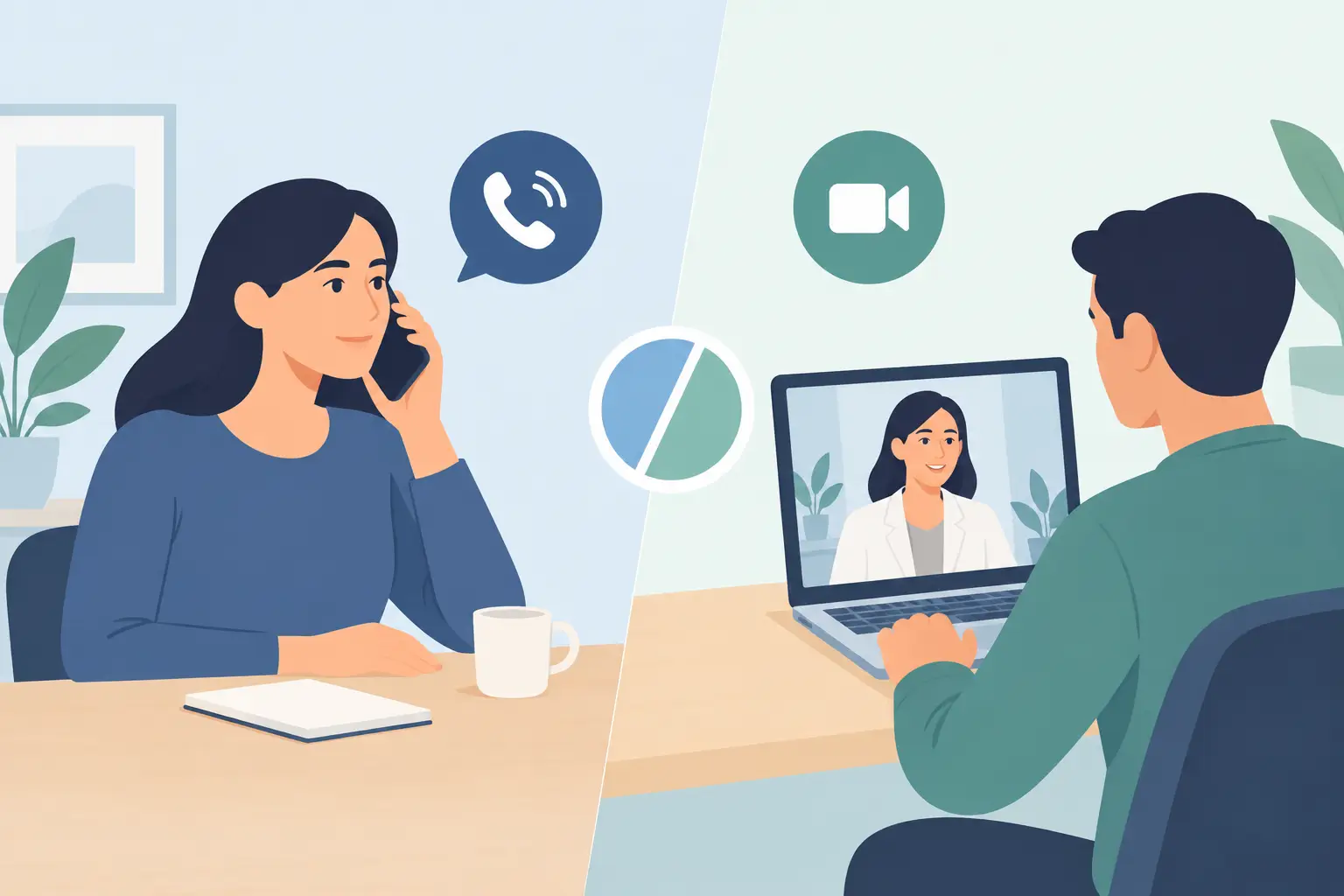
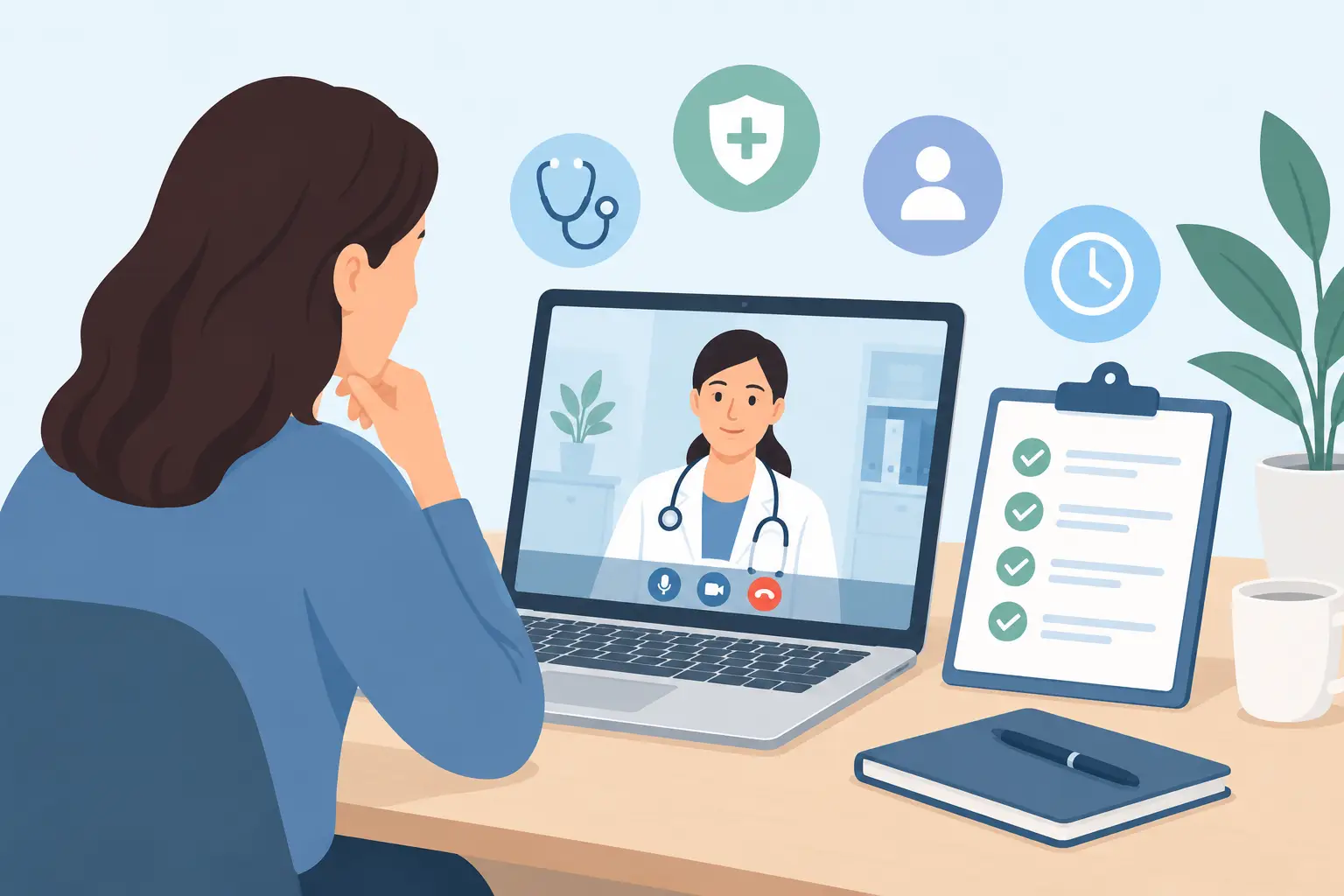
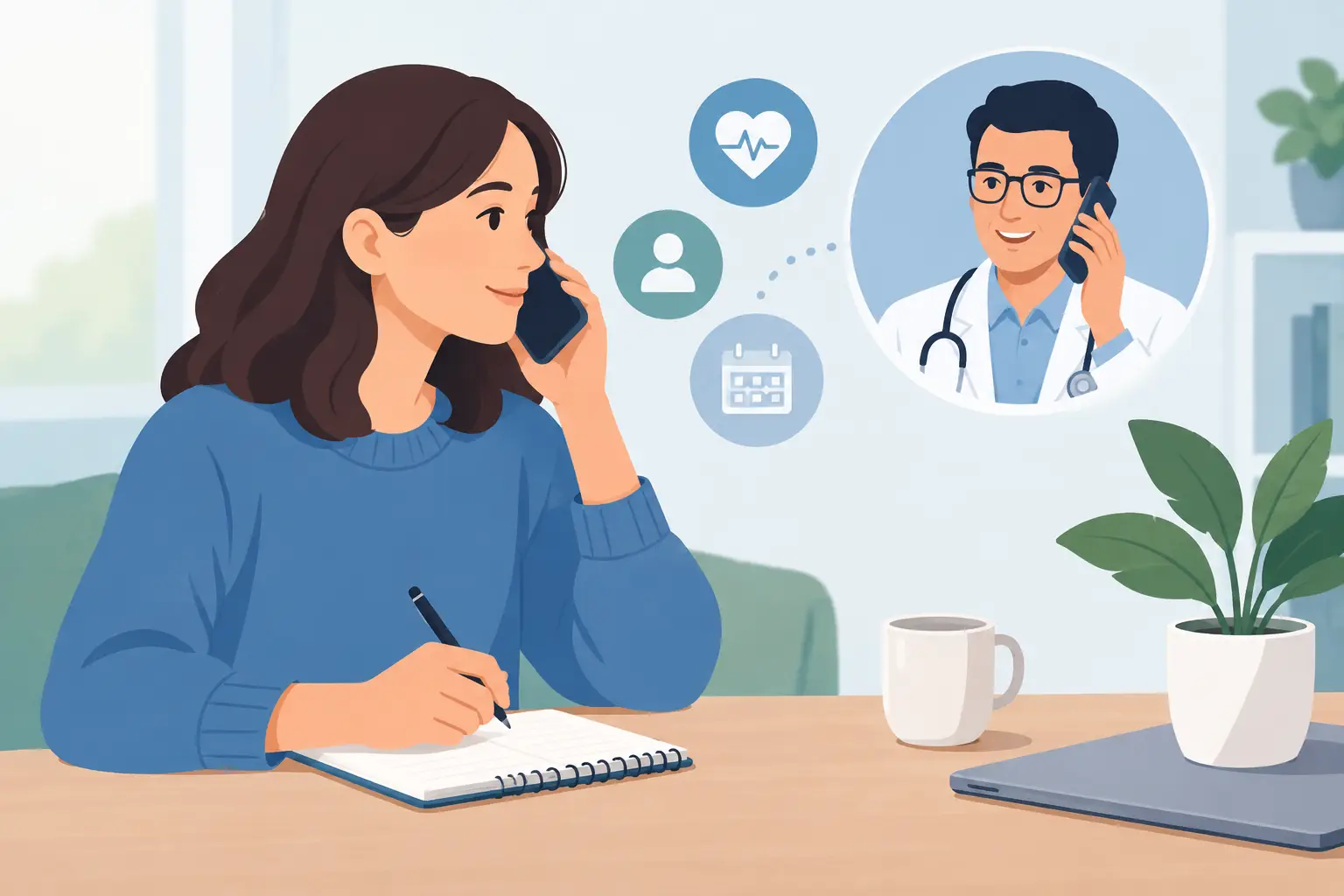
In most cases, the process is designed to be quick. You choose an appointment time online, enter your details, and wait for the GP to call or connect by video. There is no need to install anything first if the service is built around web access and standard phone functionality.
During the consult, the doctor asks about your symptoms, medical history, current medicines, allergies, and any relevant background. From there, they assess whether your concern can be managed safely by telehealth. If it can, the next step may be treatment advice, a prescription, a certificate, a referral, or a pathology request, depending on your needs and the clinical judgement of the GP.
If it cannot be handled appropriately online, a good service will tell you clearly. That might mean advising an in-person GP review, directing you to urgent care, or recommending emergency help if your symptoms suggest something more serious. That trade-off is worth understanding. Fast digital access is useful, but only when it matches the medical situation.
What you can usually get from a telehealth GP
For common primary care needs, telehealth can cover more than many people expect. Patients often use online GP services for repeat scripts, short medical certificates, specialist referrals, pathology requests, and treatment discussions for everyday conditions.
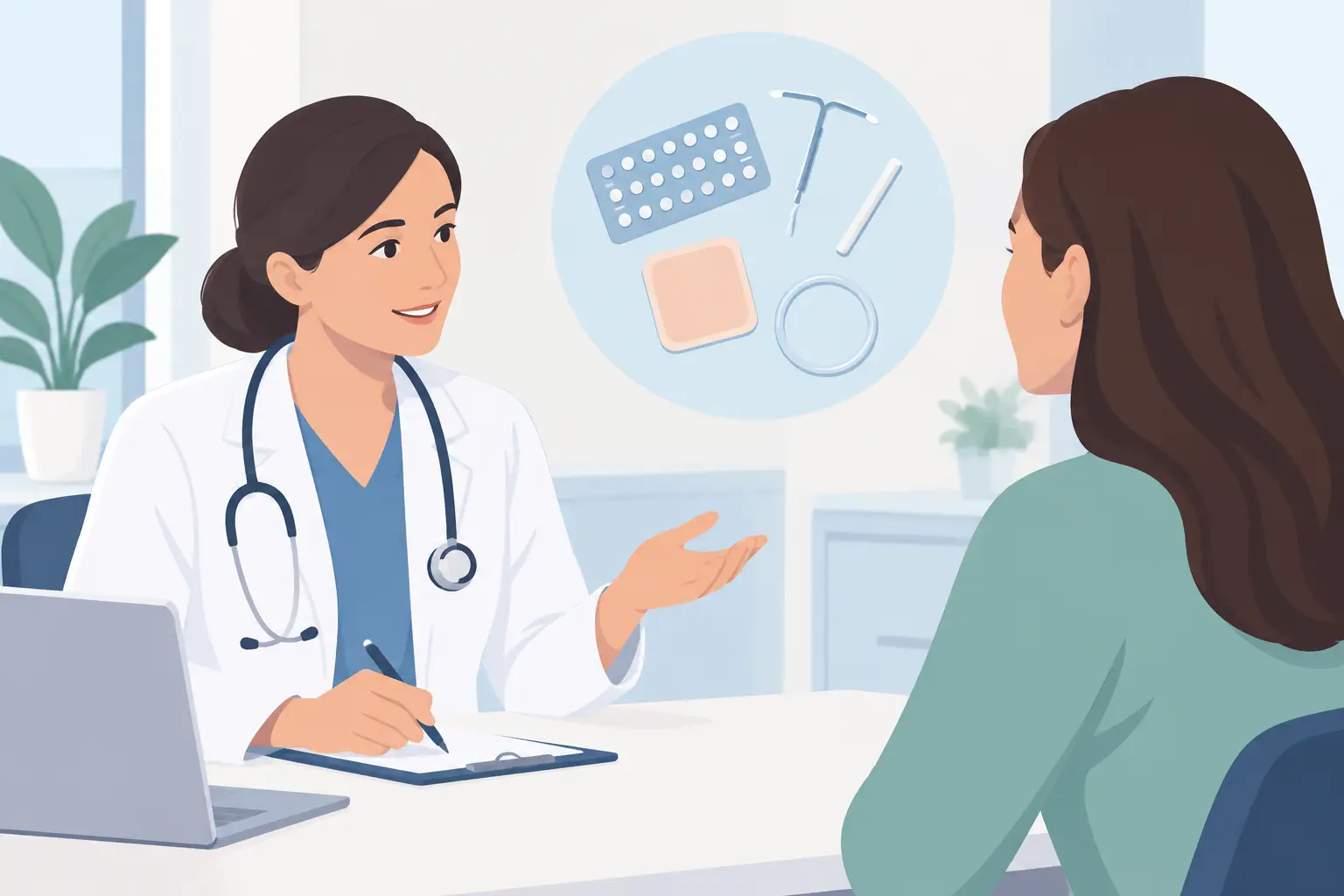
That can include issues such as asthma reviews, sinus symptoms, uncomplicated UTIs, skin concerns, women’s health matters, men’s health concerns, and general medical advice for non-emergency problems. It can also be a practical option when you know what you need reviewed, such as an existing medication or a recurring condition that has already been diagnosed.
What you receive after the consult is often just as important as the consult itself. If the service is set up well, paperwork and treatment outputs arrive quickly by SMS or email. That means you are not left chasing documents or wondering what happens next.
Where telehealth fits well and where it does not
Telehealth works best when the clinical picture can be assessed safely without a physical examination, or when the examination is not the main thing needed. If you have a straightforward request, a familiar condition, or symptoms that can be reviewed properly by history and discussion, an online consult can be efficient and entirely appropriate.
But there are limits, and they matter. Chest pain, severe shortness of breath, stroke symptoms, major bleeding, serious injuries, or rapidly worsening illness are not situations for routine telehealth. The same applies when a doctor needs to physically examine you to make a safe decision, such as checking an abdomen, listening to your chest, or assessing an injury in person.
There are also grey areas. A rash might be manageable by video, but it depends on image quality and the symptoms that go with it. A script renewal may be simple, unless the medicine requires closer monitoring. A cough may be minor, or it may need in-person assessment if there are red flags. Good telehealth is not about forcing every issue into an online format. It is about using the format properly.
What to look for in a no-app telehealth service
Speed matters, but trust matters more. If you are comparing services, the first thing to check is whether you will be speaking with fully licensed, Australian-registered GPs. That is the baseline for credible care.
After that, look at how simple the process really is. Some providers advertise convenience but still make the booking and consult process harder than it needs to be. A genuinely no-app model should let you book online in minutes and join by phone or browser without technical fuss.
Privacy is another practical issue, not just a box to tick. Health information is personal, and patients need confidence that booking details, consultation notes, prescriptions, and certificates are handled securely. Clear communication around privacy and secure delivery makes a real difference.
It is also worth checking what happens if the doctor cannot help with your issue. Not every concern can be managed by telehealth, and honest providers are upfront about that. Services built around proper clinical standards tend to be clearer about suitability than those trying to turn every booking into a completed consult regardless of context.
Why no-app access is especially useful for same-day care
Same-day care only feels fast if the whole process is fast. That is where no-app access earns its place. If you are unwell, time-poor, at work, travelling, or looking after someone else, even a small admin delay can feel like too much.
A simple online booking followed by a phone or video consult suits the way most people already use healthcare for routine issues. It fits around lunch breaks, school hours, regional work schedules, and the ordinary interruptions of daily life. You do not need to become a power user of a health platform just to ask a GP about a script, a certificate, or a common condition.
That simplicity can also make telehealth more approachable for first-time users. Plenty of patients are comfortable with online services in general but still hesitate when healthcare feels overly technical. Taking away the app requirement makes the process feel more familiar and less like a tech exercise.
A practical option for routine healthcare
For non-emergency issues, a service like TeleDoc reflects what many Australians actually want from telehealth – prompt access, professional standards, and less friction. Patients can speak with Australian-registered GPs by phone or video, manage common healthcare needs quickly, and receive practical follow-up like eScripts, certificates, referrals, or pathology requests without extra running around.
That does not mean online care replaces every part of general practice. It means it gives patients a faster route when the problem is suitable and time matters. Used properly, it is not a compromise. It is simply a more efficient way to handle routine care.
If you are considering an online doctor with no app in Australia, the key question is not whether digital care is better than in-person care across the board. It is whether your current issue can be managed safely, promptly, and privately through telehealth. For a lot of everyday health needs, the answer is yes – and that can make getting care feel much more manageable.