You wake up crook, your shift starts in two hours, and the last thing you want is to sit in a waiting room just to sort out paperwork. If you need to get doctor certificate by phone, the good news is that in many everyday situations, an Australian-registered GP can assess you via telehealth and issue a medical certificate when it’s clinically appropriate.
That sounds simple, but there are a few details worth understanding. A medical certificate is still a legal document. It is not something handed out automatically because you asked for one. The doctor needs enough information to make a professional judgement about your condition, your capacity for work or study, and whether a phone consultation is suitable in the first place.
How to get doctor certificate by phone
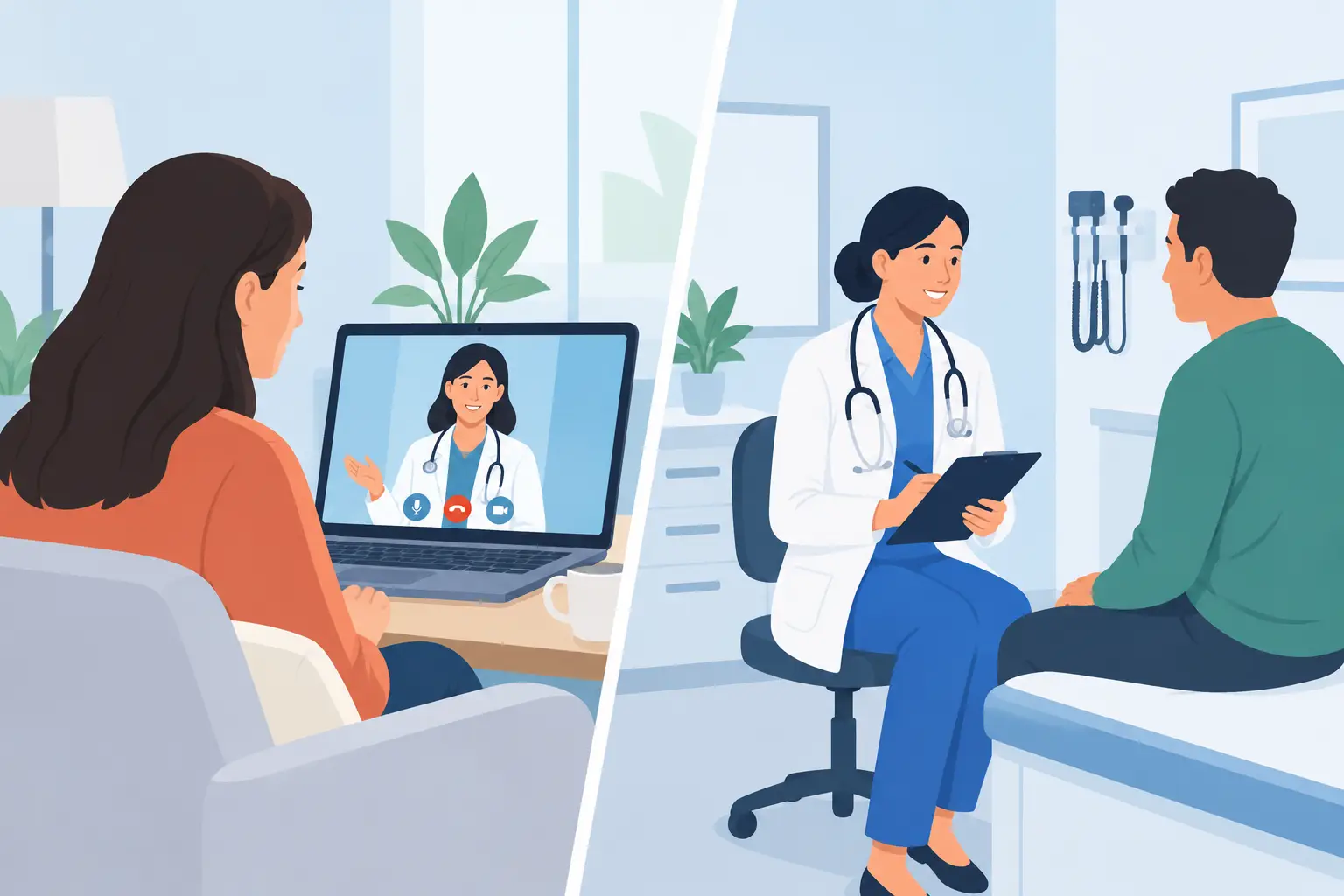
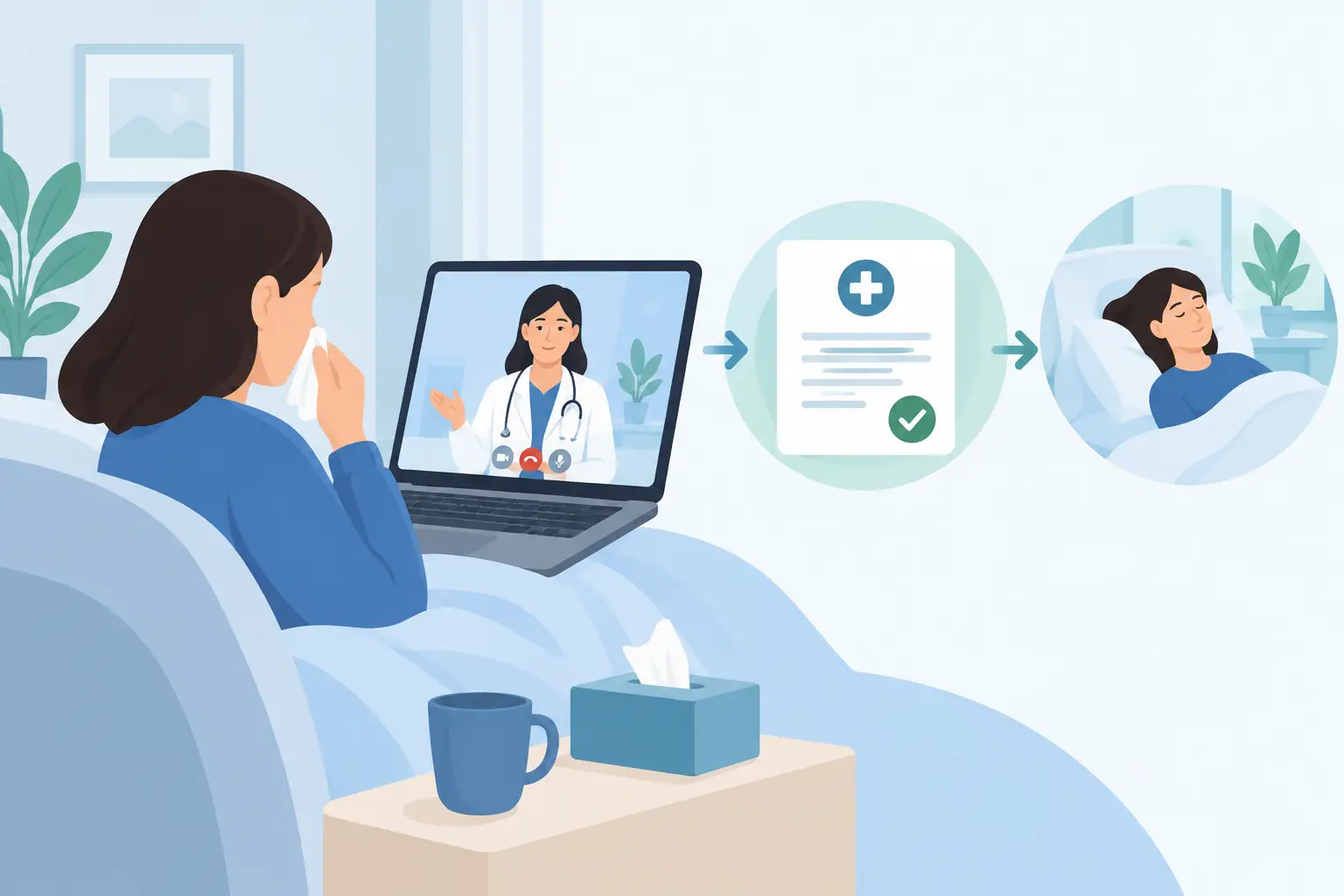
The process is usually much faster than an in-person visit, especially when your condition is straightforward and short term. You book a telehealth appointment online, choose a time that suits you, and speak with a GP over the phone. During the consult, the doctor will ask about your symptoms, how long you have been unwell, whether you can safely work or attend class, and if there are any red flags that need face-to-face care.
If the GP is satisfied that a certificate is appropriate, it can generally be sent to you digitally, often by email or SMS, soon after the consultation. That is the part many patients care about most – not just getting advice, but getting the document they need without leaving home.
What makes phone consults appealing is the practicality. There is no travel, no waiting room, and no need to rearrange your whole day for a brief appointment. For busy workers, parents juggling school drop-off, students during exam periods, and people in regional areas, that convenience matters.
When a phone medical certificate may be appropriate
A phone consultation can work well for common, short-term issues that do not usually require a hands-on examination. Think viral illnesses, gastro symptoms, migraines, period pain, mild respiratory symptoms, or a temporary flare-up of a known condition. In these cases, a GP can often assess the situation based on your symptoms, history, and the way the illness is affecting your usual activities.
It depends, though, on how clear the picture is. If your symptoms suggest something more serious, if the doctor needs to examine you, or if there is uncertainty about your fitness for work, a phone consultation may not be enough. The GP might recommend a video consult, an in-person review, urgent assessment, or even emergency care if your symptoms raise concern.
That is an important point. Telehealth is convenient, but it still follows clinical standards. A legitimate medical certificate comes from a proper medical assessment, not a tick-box form.
Why the doctor may ask more questions than you expect
Some patients assume a certificate consult will be over in 60 seconds. Sometimes it is quick, but GPs still need to do their job properly. They may ask when your symptoms started, whether you have a fever, what treatment you have tried, whether your workplace duties are physical, and when you expect to recover.
They may also ask whether you need one day off or a longer period. That is not just admin. The duration on a certificate should reflect the doctor’s clinical judgement, not just what feels convenient. If your symptoms do not support several days away from work, the certificate may be shorter than you expected.
Is it legal to get doctor certificate by phone in Australia?
Yes, provided the consultation is conducted by a qualified practitioner who is able to assess you appropriately and issue the certificate in line with professional standards. In Australia, medical certificates are commonly issued through telehealth for suitable cases. Employers, universities, and other organisations often accept them, particularly when they come from a registered GP.
Still, acceptance can depend on the policies of the organisation receiving the certificate. Some employers ask for specific details, while others only need confirmation that you were unfit for work for a certain period. A standard medical certificate usually does not need to disclose your diagnosis, which helps protect your privacy.
That privacy is one reason many people prefer telehealth. If you are dealing with a sensitive issue, speaking to a GP from home can feel more comfortable than discussing it at a crowded clinic reception desk.
What a phone consultation can and cannot do
Phone consults are excellent for low-friction care, but they are not the answer to every health issue. If you have a straightforward short-term illness and mainly need medical advice and documentation, the phone is often enough. If you have chest pain, severe shortness of breath, heavy bleeding, signs of a serious infection, or symptoms that are rapidly worsening, you need more than convenience – you need urgent medical attention.
There is also a middle ground. Sometimes a phone consultation starts the process, but the doctor decides a video review or physical examination is safer. That does not mean the service failed. It means the GP is applying proper clinical judgement.
For patients, that distinction matters. The best telehealth services are not the ones that say yes to everything. They are the ones that are fast when it is appropriate and clear when it is not.
What to expect during the appointment
Most patients are surprised by how straightforward the process is. You book online, wait for the call, and answer the GP’s questions honestly. Be ready to explain your symptoms clearly, mention any relevant medical history, and say what you need the certificate for, whether that is work, uni, TAFE, or another commitment.
Accuracy matters. If you downplay symptoms, the doctor may not have enough information. If you exaggerate them, that creates a different problem. A medical certificate is a professional document, and the consultation should be treated like any other GP appointment.
If the certificate is issued, check the details when it arrives. Your name, dates, and the general wording should be correct. If your employer needs a certificate covering a specific day, it is best to raise that during the consultation rather than after the fact.
Same-day access matters more than most people think
When people search for a medical certificate, speed is usually part of the reason. They are already sick, already stressed, and often already late in telling work or study that they cannot attend. Same-day telehealth can remove a lot of that friction.
That is where a service like TeleDoc fits naturally into everyday life. Patients can speak with Australian-registered GPs by phone or video, avoid the waiting room, and receive medical documents digitally when appropriate. It is built for common primary care needs, not emergencies, which is exactly why the process can be so efficient.
Choosing a legitimate telehealth provider
If you are trying to get doctor certificate by phone, credibility should be the first filter. Look for a service that uses fully licensed Australian GPs, explains how consultations work, handles health information securely, and makes it clear that certificates are issued only when clinically appropriate.
Be wary of anything that makes it sound automatic. Fast access is a benefit. Guaranteed approval is a red flag. Real doctors are required to use professional judgement, and reputable services make that clear.
It also helps to choose a provider with a simple booking flow. When you are unwell, you do not want to download extra software, create complicated accounts, or chase paperwork. The best experience is the one that feels easy while still being medically sound.
A few practical situations where phone certificates make sense
If you have woken with vomiting and diarrhoea, a migraine that makes screens unbearable, or a fever that leaves you in no state to work, a phone consult is often a very reasonable option. The same goes for short-term illnesses where rest, hydration, simple treatment, and time off are the main recommendations.
But if you need an assessment for ongoing work capacity, complex mental health concerns, or symptoms that suggest something more serious, the doctor may need a different consultation format. That is not a hassle for the sake of it. It is how safe care works.
The simplest way to think about it is this: telehealth is excellent for many routine certificate needs, but it still depends on the condition, the timing, and the doctor’s assessment.
If you need help today, the smartest move is not to wait until your lunch break or hope you feel better by tomorrow. Book early, speak plainly, and let a GP decide what is appropriate. Good telehealth saves time, but it also gives you something just as useful when you are unwell – clarity.