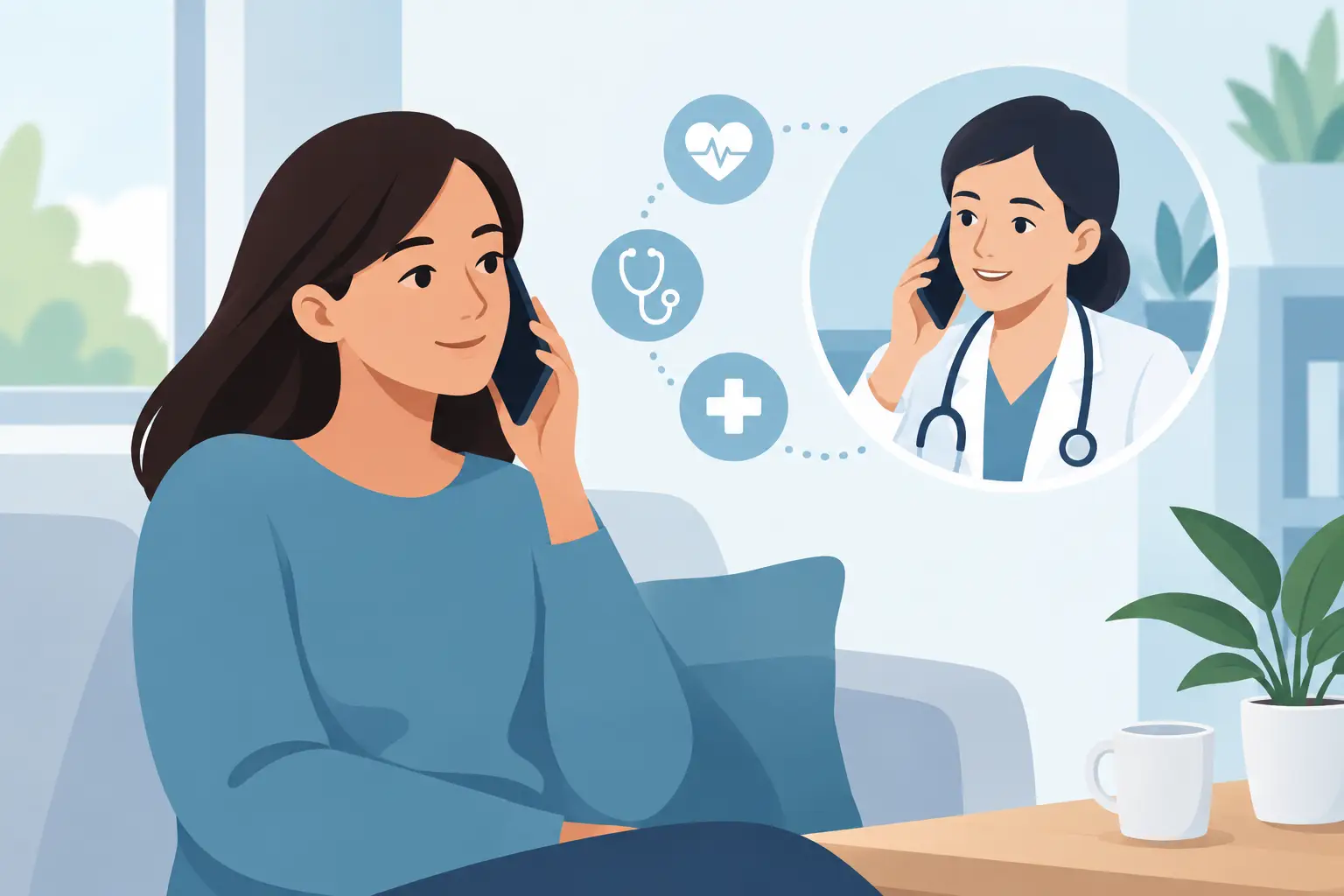
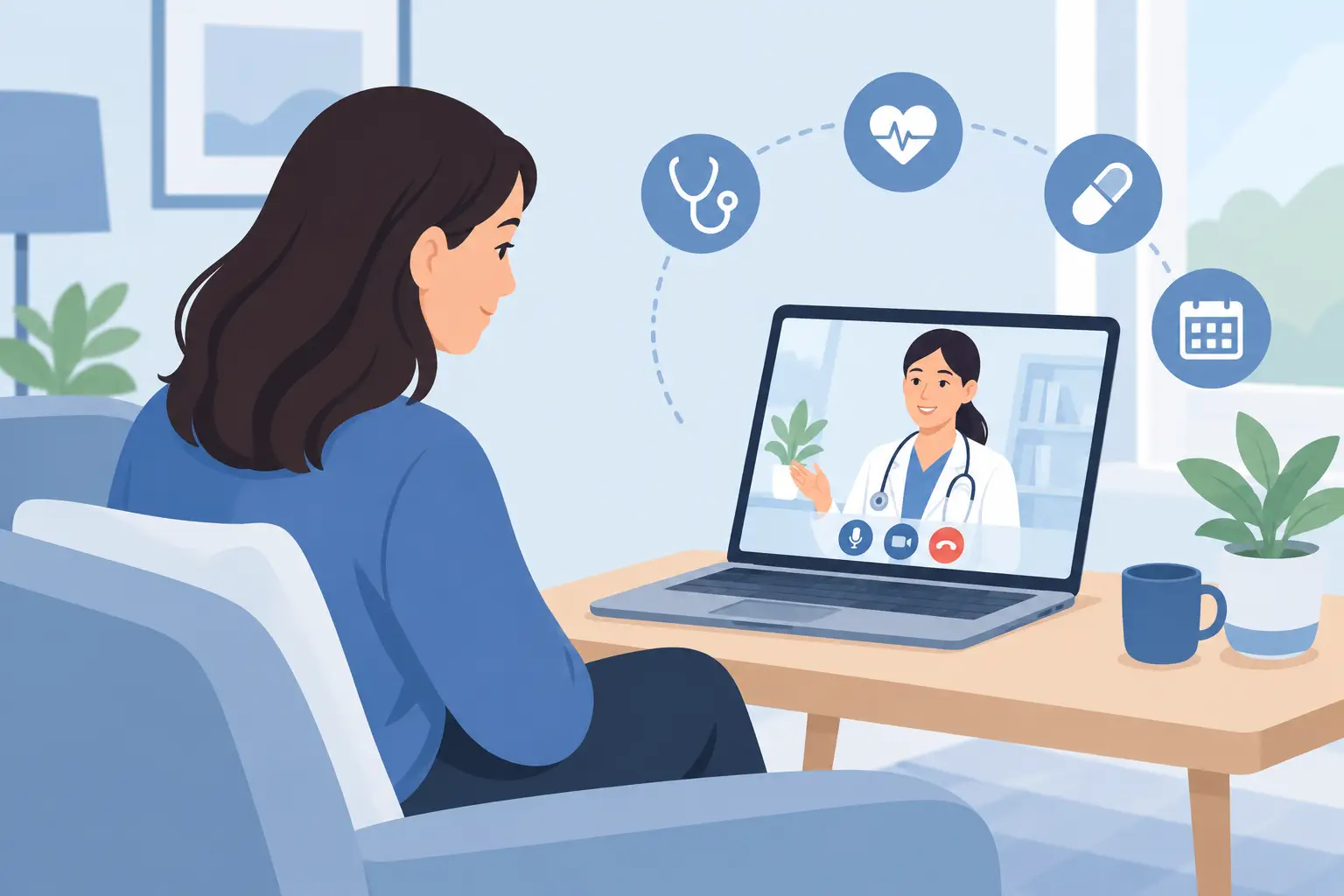
A sore throat before a work trip, a repeat prescription that has run out, or a child who needs a medical certificate can quickly turn into hours spent travelling and sitting in a waiting room. Doctors on demand offer a practical alternative for many everyday health concerns: speak with an Australian-registered GP by phone or video, from wherever you are.
For busy Australians, telehealth is not about replacing every visit to a clinic. It is about getting timely, professional care when an in-person examination is not needed. The right consultation can provide advice, treatment options and, where clinically appropriate, the documents or prescriptions needed to get on with your day.
What doctors on demand can help with
Online GP consultations are designed for common, non-emergency concerns that can be safely assessed through a conversation, medical history and visual review where video is appropriate. This can be particularly useful when the issue is straightforward, you already know your medical history, or you need to discuss an ongoing condition.
A telehealth GP may be able to help with everyday illnesses such as colds, sinus symptoms, uncomplicated urinary tract infection symptoms, skin concerns, allergies and asthma management. They can also discuss women’s health, men’s health, weight management concerns and general wellbeing questions.
Many patients use a virtual appointment for practical care needs too. A GP can assess requests for repeat scripts, medical certificates, specialist referrals and pathology requests. Whether one can be issued depends on the consultation and the doctor’s clinical judgement. A responsible GP will only provide a prescription, certificate or referral when it is appropriate and safe to do so.
This is where quality matters. A quick service should still involve a proper medical consultation, clear questions and a chance to explain what is happening. At TeleDoc, patients consult Australian-registered GPs who work to the professional standards set by the Medical Board of Australia.
When an online GP appointment makes sense
The biggest benefit is often time. Instead of arranging transport, leaving work early or managing a waiting room with children, you can book online and join a consultation from home, the office or while travelling within Australia.
Telehealth can be a good fit when you need help with a familiar issue, want advice before symptoms worsen, or need to review an existing treatment plan. It can also make care more accessible for people in regional areas, students with tight schedules and parents who cannot easily fit another appointment into the week.
Privacy is another reason people choose phone or video care. Some health concerns are difficult to raise at a busy clinic reception desk. Speaking with a GP from a private place can make it easier to ask questions about sensitive symptoms, sexual health, mental wellbeing or medication concerns.
There are limits, though. Convenience should never pressure you to use telehealth when you need hands-on care. If a doctor needs to examine you, check vital signs, take a sample or arrange urgent tests, they may recommend an in-person appointment. That is not a failed consultation. It is the right clinical next step.
How a doctors on demand consultation works
A good telehealth process should feel simple from the start. You choose an available appointment time, provide the details needed for the GP to understand your concern, then speak by phone or video. There should be no need to download an app just to access routine care.
Before your appointment, have your Medicare details, current medication list and relevant medical history nearby. If you have recent test results, discharge paperwork or photos of a visible skin issue, keep those ready as well. Clear information helps the GP make a safer and more useful assessment.
During the consultation, explain when your symptoms started, whether they are getting worse, what you have already tried and any conditions or medicines that may be relevant. Be direct about what you need, whether that is medical advice, a repeat script, a certificate or a referral. The GP can then explain what is clinically appropriate.
After the consultation, eligible prescriptions and documentation can be sent electronically by SMS or email. This removes the need to collect paper forms and can make the next step, such as visiting a pharmacy or booking with a specialist, much easier.
What to look for before booking
Not all online medical services are the same. The speed of booking matters, but so do the safeguards behind the appointment. Look for a provider that clearly identifies its doctors as Australian-registered GPs and explains how consultations, fees and follow-up documents work.
Your health information should be handled securely, and the service should make it easy to understand whether phone or video is available. Clear private pricing is useful too. You should know the cost before booking rather than discovering unexpected charges after the consultation.
It is also worth checking what happens if the doctor cannot assist with your particular request. Sometimes the safest answer is an in-person assessment or urgent care. TeleDoc offers a full refund if its doctors are unable to help, giving patients confidence to seek advice without taking on unnecessary risk.
When telehealth is not the right choice
Doctors on demand are for non-emergency care. Call Triple Zero immediately if you or someone else has chest pain, severe trouble breathing, signs of stroke, heavy bleeding, loss of consciousness, a serious allergic reaction, severe injury or thoughts of self-harm.
You should also seek urgent in-person assessment for severe or rapidly worsening symptoms, significant dehydration, a high fever in a very young child, sudden vision changes, severe abdominal pain or symptoms after a major accident. If you are unsure, err on the side of urgent care.
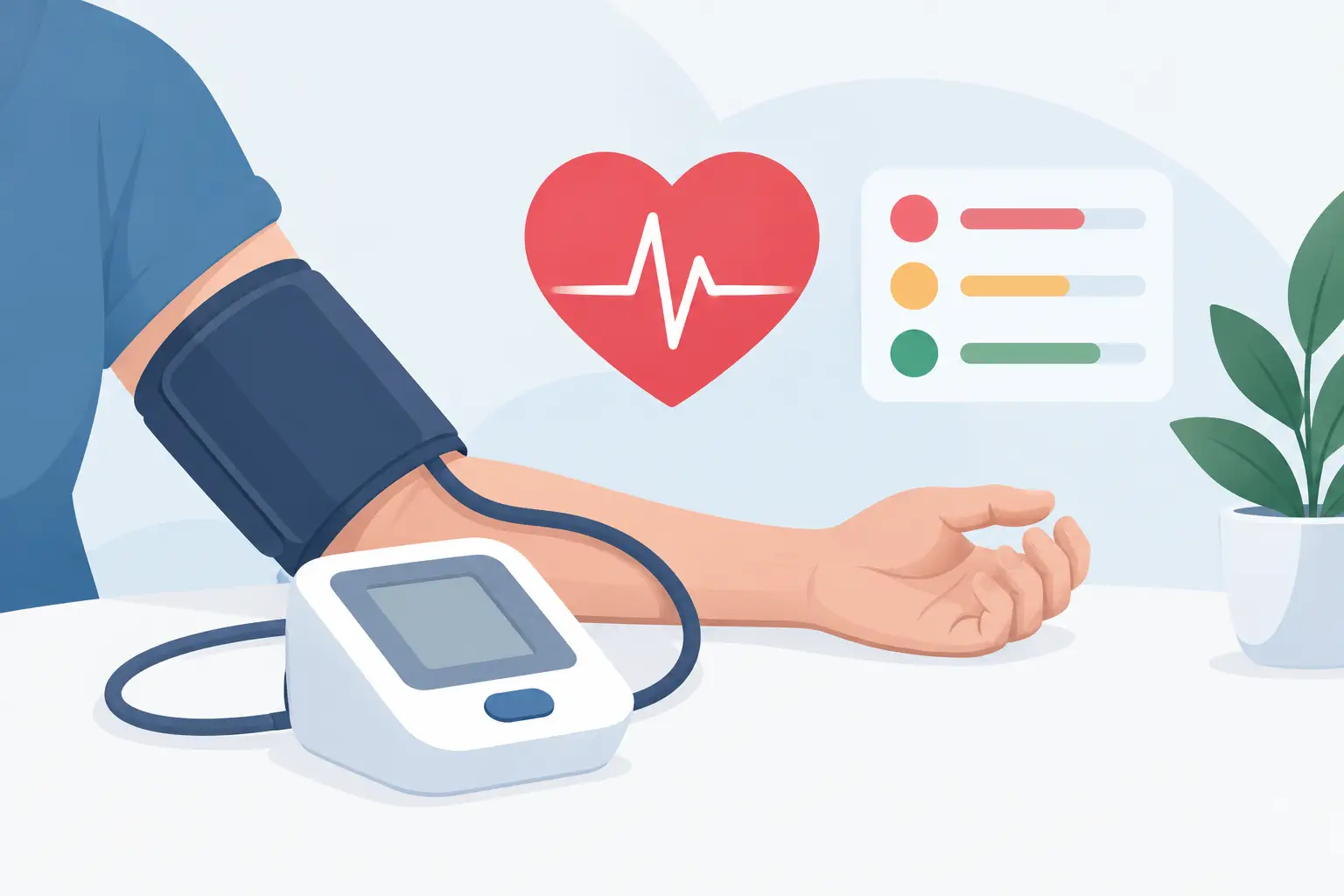
Some concerns simply need physical examination. A GP may need to listen to your chest, examine an injury, test your blood pressure or assess a new lump in person. Virtual care can still be a useful first step in some cases, but it cannot safely replace every type of assessment.
Getting more value from your appointment
The most efficient appointments are not rushed. Take a minute before booking to write down your main concern and the outcome you are hoping for. Mention any allergies, pregnancy, chronic conditions or new medicines early in the conversation.
Choose a quiet, private place with reliable mobile reception or internet access. If video is being used for a visible concern, good lighting can help. For a consultation about a child, have their symptoms, temperature readings, weight if known and current medications ready.
A doctors on demand service works best when it combines convenience with clinical care. For routine health needs, it can mean professional GP advice without putting your life on hold. And when the right answer is an in-person visit, a qualified GP can help you take that next step with clarity.