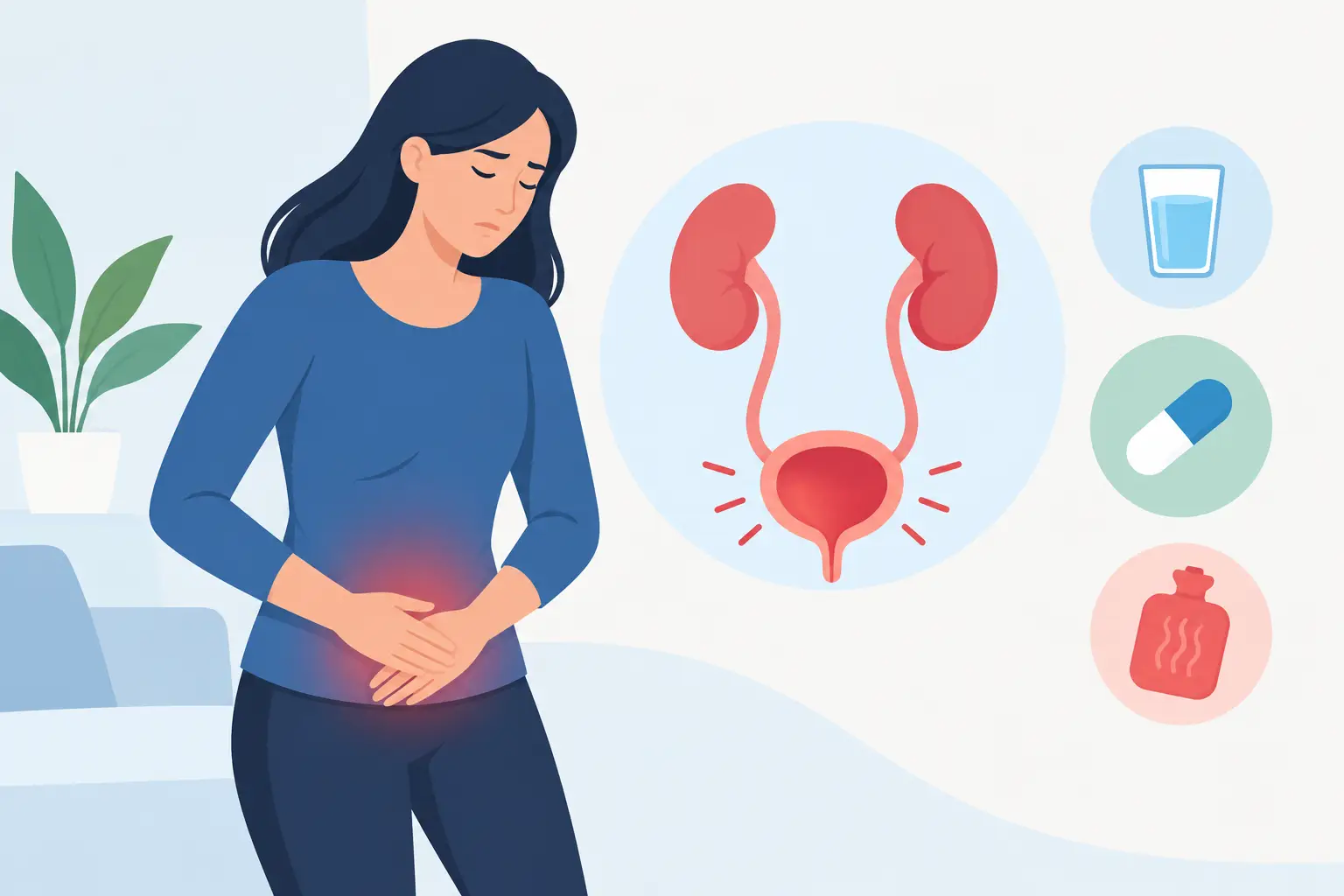
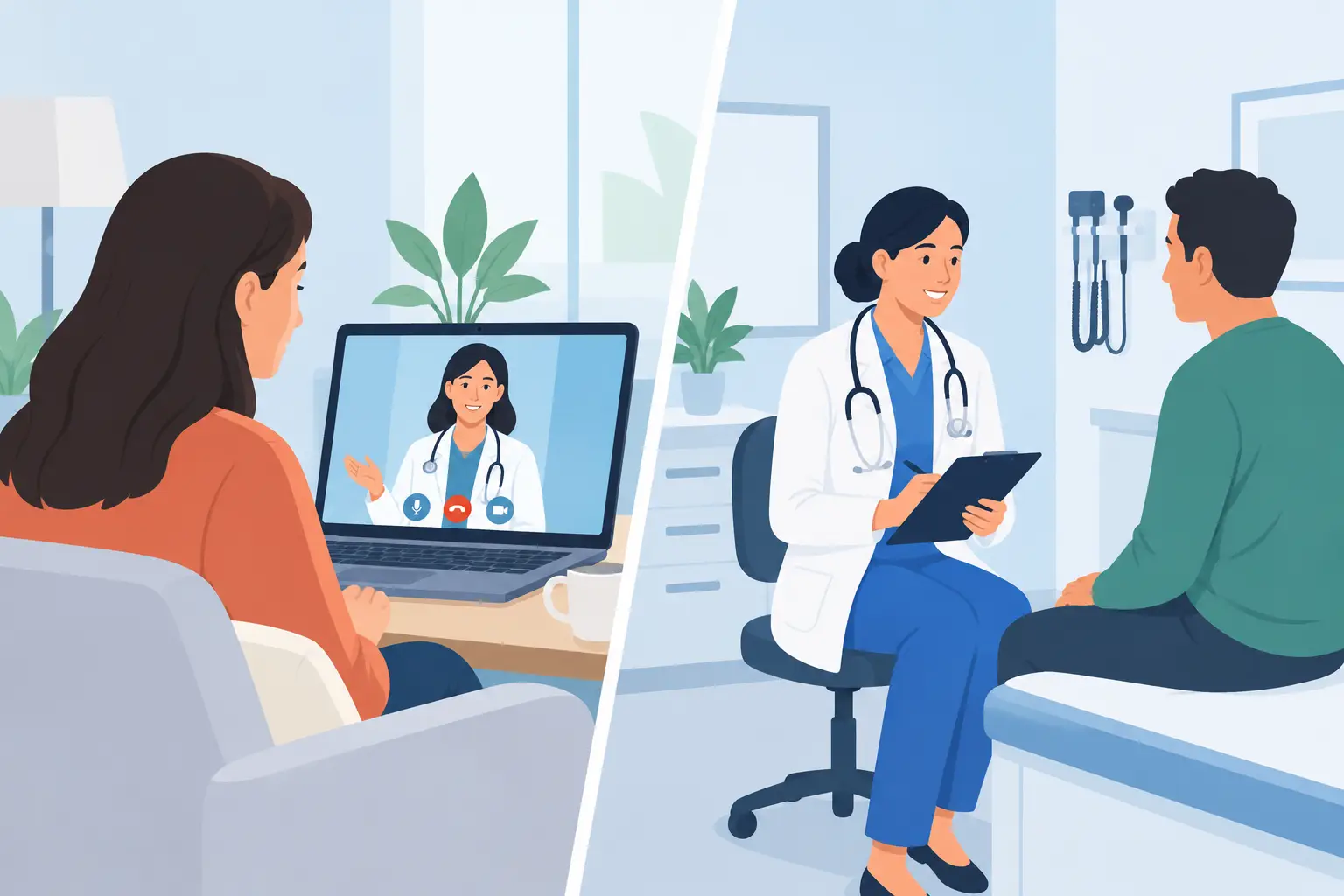
A lot of men put off seeing a doctor for the same reason – it feels inconvenient until the problem gets worse. Men’s health telehealth changes that. Instead of rearranging your day, sitting in a waiting room, or delaying a conversation you would rather keep private, you can speak with an Australian-registered GP by phone or video and deal with common health concerns quickly.
That matters more than it used to. Work is busy, family schedules are full, and for plenty of Australians, getting to a clinic is not as simple as popping down the road. Telehealth gives men a practical way to get medical advice, treatment, and follow-up support without the usual friction. For routine, non-emergency issues, it is often the difference between acting early and putting it off for another week.
Why men’s health telehealth works so well
The biggest benefit is not just convenience. It is access. Men are more likely to seek help when the process is simple, fast, and private. If booking takes a few minutes, the consultation happens the same day, and the outcome is clear, there is less room for delay.
For many patients, the issue is not whether they want healthcare. It is whether they can fit it into real life. A telehealth appointment can happen from home, during a break at work, or while travelling, as long as the setting is private and safe for the consultation. That removes a lot of the common barriers that stop men from getting support in the first place.
Privacy matters too. Some concerns feel awkward to raise face to face, especially when they involve sexual health, urinary symptoms, hair loss, weight, mental wellbeing, or repeat treatment requests. A phone or video consult can make that first conversation easier. It is still real medical care, just delivered in a format that feels more manageable.
What men can usually get help with through telehealth
Men’s health telehealth is well suited to everyday GP care that does not require a hands-on examination. That can include prescription renewals, medical certificates, specialist referrals, pathology requests, and advice for common symptoms.
It can also be useful for issues men often delay discussing, such as erectile dysfunction, premature ejaculation, low mood, anxiety, sleep problems, smoking cessation, weight concerns, skin conditions, and early conversations about cardiovascular risk. In many of these cases, the first step is not a procedure or test done on the spot. It is a proper discussion with a GP, a review of symptoms, relevant history, and a decision about treatment, investigation, or referral.
There are limits, and that is a good thing. If a condition needs a physical examination, urgent testing, or emergency treatment, telehealth is not the right setting. Chest pain, difficulty breathing, major injuries, severe allergic reactions, and sudden neurological symptoms need urgent in-person care. Good telehealth does not try to force every problem into an online format. It works best when the service is clear about what can be managed safely and what cannot.
When telehealth is the right first step
For many men, the smartest move is to use telehealth early rather than waiting for symptoms to drag on. If you have a recurring issue, need a repeat script, want to discuss treatment options, or need a referral to move the next step forward, a remote GP appointment can save time and reduce procrastination.
It is especially helpful for patients in regional and rural areas, where wait times and travel can make routine care harder to access. The same goes for shift workers, parents, students, and anyone whose day is already packed. If the barrier is logistics rather than willingness, telehealth solves a real problem.
That said, it depends on the issue. A sore throat with mild symptoms may be straightforward to assess remotely. Persistent testicular pain, a new lump, or rectal bleeding may still start with telehealth, but the likely outcome could be an urgent in-person examination or referral. The value is in getting professional guidance quickly, rather than guessing or ignoring it.
What to expect from a men’s health telehealth appointment
The process is usually simple by design. You book online, choose a suitable time, and speak with a GP by phone or video. There is no need to overprepare, but it helps to have a clear idea of your symptoms, how long they have been happening, any medications you take, and what outcome you think you might need, such as a script, certificate, referral, or general advice.
During the consultation, the GP will ask direct questions, assess whether telehealth is clinically appropriate, and decide what can be safely provided. If treatment is suitable, you may receive practical follow-up items such as an electronic prescription sent by SMS or email, a medical certificate, or a referral for further care.
The best services keep this straightforward. Fast booking, clear pricing, secure handling of health information, and communication that tells you exactly what happens next all matter. Patients are not looking for a complicated digital health experience. They want a legitimate medical service that respects their time.
Privacy, trust, and why credentials matter
Not all online healthcare feels equally credible, and patients are right to pay attention. With men’s health telehealth, privacy and professional standards should be non-negotiable. You should know who you are consulting, whether they are fully licensed, and how your information is handled.
This matters even more when the issue is sensitive. Men are often more willing to discuss sexual health, urinary symptoms, mental health concerns, or weight management when the process feels discreet and professional. Trust is built through clear clinical boundaries, secure systems, and doctors who meet Australian regulatory standards.
That is one reason many patients prefer a service focused on Australian-registered GPs rather than vague online health platforms with unclear medical oversight. Convenience only works when it is paired with proper clinical care.
The trade-offs to know before you book
Telehealth is highly practical, but it is not identical to walking into a clinic. The obvious trade-off is that a doctor cannot physically examine you through a screen or over the phone. Sometimes your history is enough to make a safe decision. Sometimes it is not.
There is also a difference between speed and certainty. A same-day telehealth appointment can get things moving quickly, but some problems still need blood tests, imaging, or an in-person review before a diagnosis is confirmed. That is not a weakness of telehealth. It is simply how good medicine works.
For patients, the key is to use telehealth for what it does best – rapid access to GP advice, routine treatment support, repeat prescriptions, medical documents, and early assessment of non-emergency concerns. If the doctor advises an in-person follow-up, that is part of the care pathway, not a dead end.
Choosing a men’s health telehealth service in Australia
A useful service should feel easy from the first click. You should be able to book quickly, understand the process, know what the consultation costs, and see what kinds of outcomes may be available after your appointment. The less friction there is, the more likely patients are to actually get the care they need.
It is also worth looking for practical details that make a difference on the day. Phone and video options are helpful. No app download keeps the process simple. Same-day availability matters when the issue cannot wait a week. Fast delivery of e-scripts, certificates, or referrals can turn a consult into a real solution rather than just another task on your list.
TeleDoc is built around that kind of straightforward care model, with Australian-registered GPs, clear digital workflows, and support for common non-emergency issues that men often want to handle quickly and privately.
Why more men are likely to use telehealth
The old pattern was simple – wait, hope it passes, then book only when it becomes too annoying to ignore. Telehealth changes that behaviour because it lowers the effort required to take action. When access is faster, more private, and easier to fit into a normal day, early care becomes more realistic.
That is good for the small issues and the bigger ones. Sometimes the consultation ends with a script renewal or a certificate. Sometimes it starts a more important conversation about sexual health, mental wellbeing, blood pressure, weight, sleep, or long-term risk factors that have been sitting in the background for too long.
If something has been bothering you and the main reason you have not dealt with it is time, hassle, or privacy, that is usually a sign to make the appointment. Healthcare is much easier to manage when it fits into your life instead of taking over your day.